

Frangipani: The Flower That Arrives Before It Is Seen.
Before the tree appears, the air has already changed.
Something floral. Warm. Almost creamy. A scent carried through the late-afternoon heat, arriving before the eye finds its source.
Then, the frangipani.
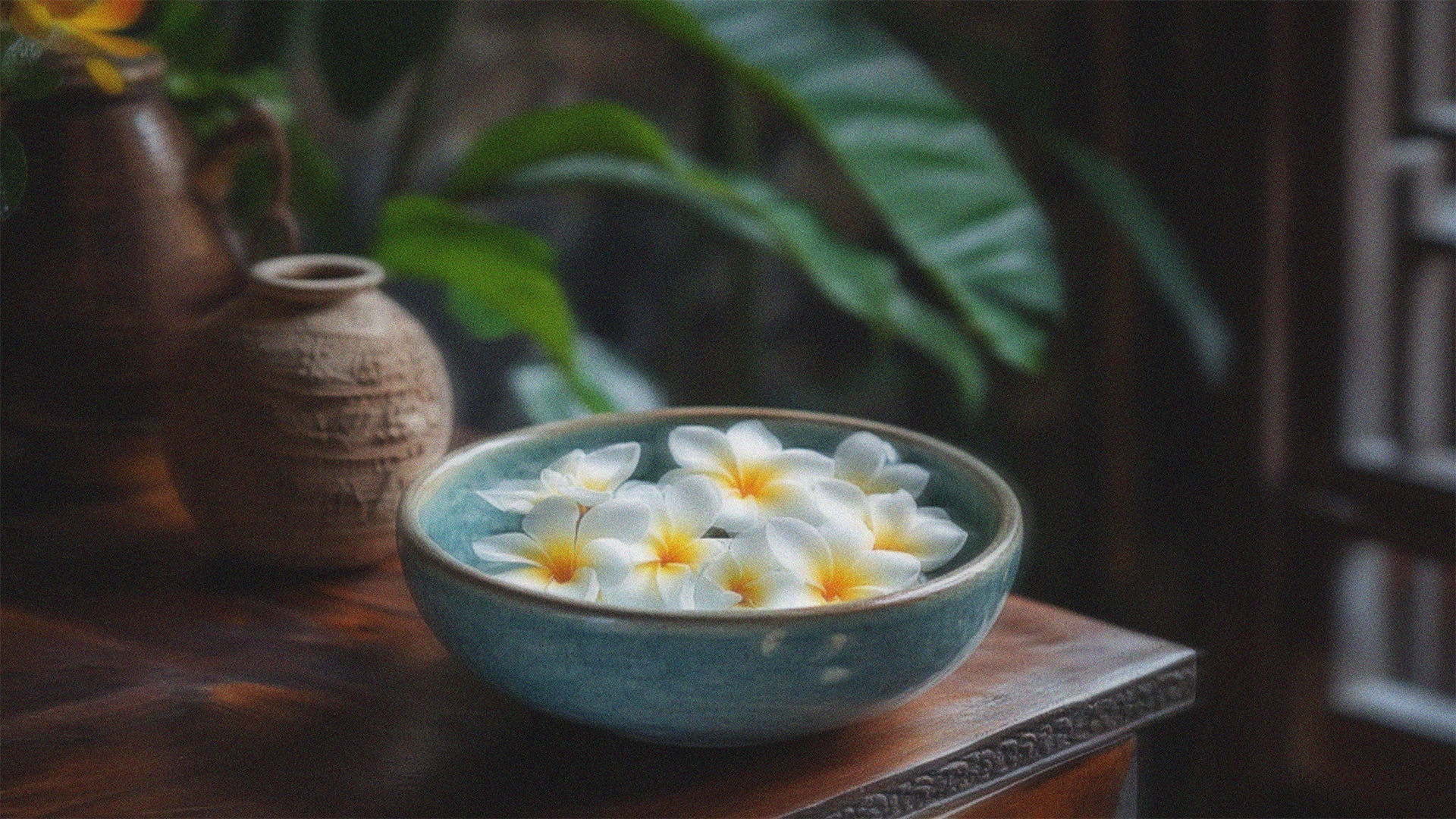
Five waxen petals turning softly around a golden centre. A flower resting against dark leaves, or fallen whole onto a path still warm from the day.
In Singapore, it is a familiar sight. But familiarity has never made it ordinary.
The flower beneath the name.
Frangipani is the name given to flowers of the Plumeria genus — small tropical trees with sculptural branches, generous leaves, and clusters of blooms that return throughout the year.
White and yellow may be the form most readily recognised here, but frangipani also moves through shades of pink, red, orange, and everything between them. The colours change. The silhouette does not.
Broad petals. A gentle spiral. A surface that catches the light as though it had been polished by hand.
Towards evening, the fragrance deepens.
The flower becomes more present just as the day begins to recede.
What does frangipani smell like?
Frangipani is floral, but never simply so.
Singapore’s National Parks Board describes notes reminiscent of jasmine, citrus, and gardenia. Together, they create something warmer and more enveloping — softly sweet, gently creamy, and bright enough to remain alive in the tropical air.
Each variety speaks a little differently. Some lean towards citrus. Others feel fuller, sweeter, or more floral.
What remains is the unmistakable character of frangipani: a scent that fills the space around it without ever needing to raise its voice.
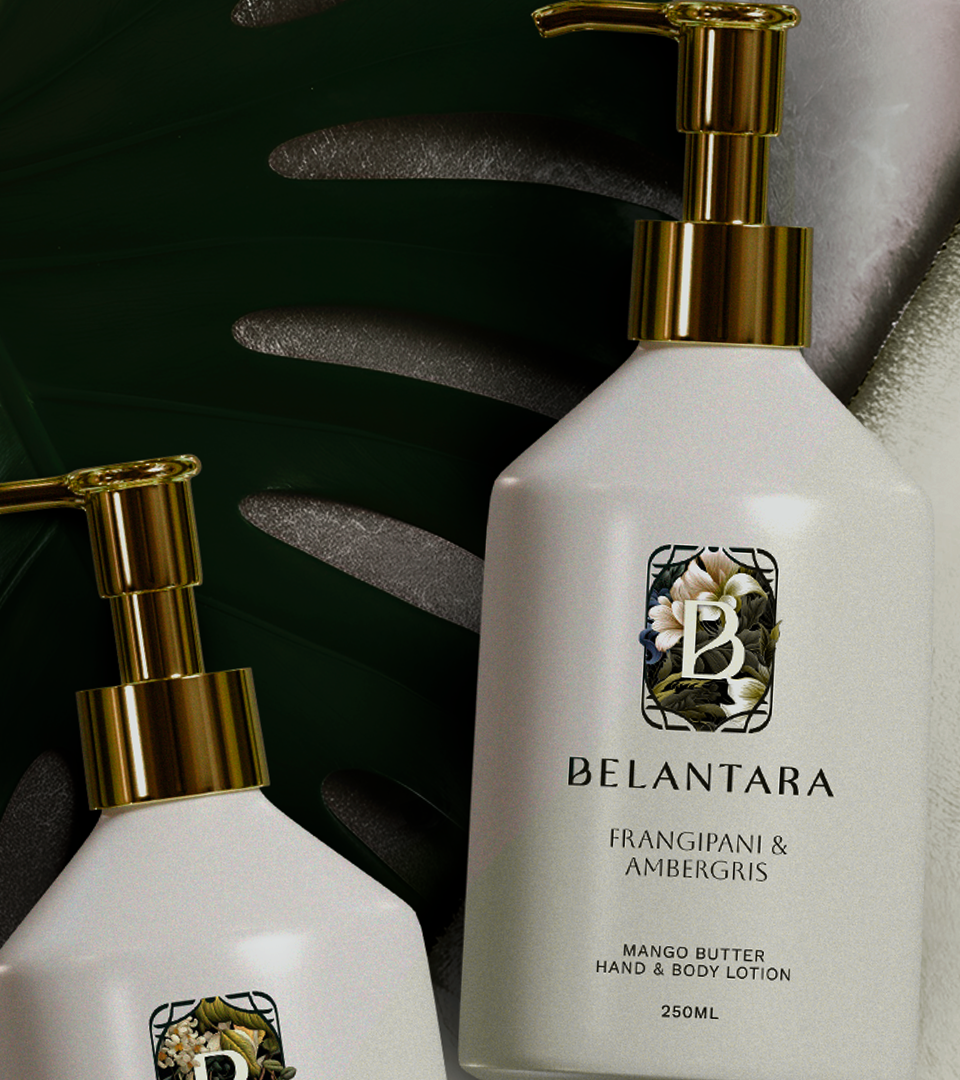
For those drawn first by the scent, discover Belantara’s Frangipani & Ambergris collection.
A flower carried into ritual.
Across Southeast Asia, frangipani has never belonged only to the garden.
In Bali, white frangipani is gathered for Hindu rites and placed as an offering — part of a living practice of devotion, beauty, and cultural memory.
In Laos, the flower has long been associated with Buddhist monasteries and acts of offering. Across the region, different communities have carried it into worship and spiritual life in ways that are particular to their own histories.
The meanings are not identical, nor should they be made so.
What passes between them is the gesture: something beautiful taken from the living world, held with intention, and offered as part of something larger than oneself.
A flower can be familiar and sacred at once.
From garden to skin.
Frangipani begins in the landscape — flowering beneath tropical light, releasing its fullest scent as evening approaches.
Perfumery carries that impression beyond the bloom itself. Not by recreating every note, but by preserving what the flower leaves behind: warmth in the air, softness after rain, and the feeling of a place remembered through scent.
This is where Belantara begins.
Frangipani & Ambergris.
Frangipani opens first — a creamy, floral-fruity bloom with a hint of jasmine and fruit.
Then comes ambergris. Warmer. Woodier. A quiet depth beneath the flower, grounding its sweetness without taking away its light.
One opens. The other settles.
Together, they recall the forests of Bali during a tropical storm — rain on warm earth, air thick with bloom, and time suspended between one moment and the next.
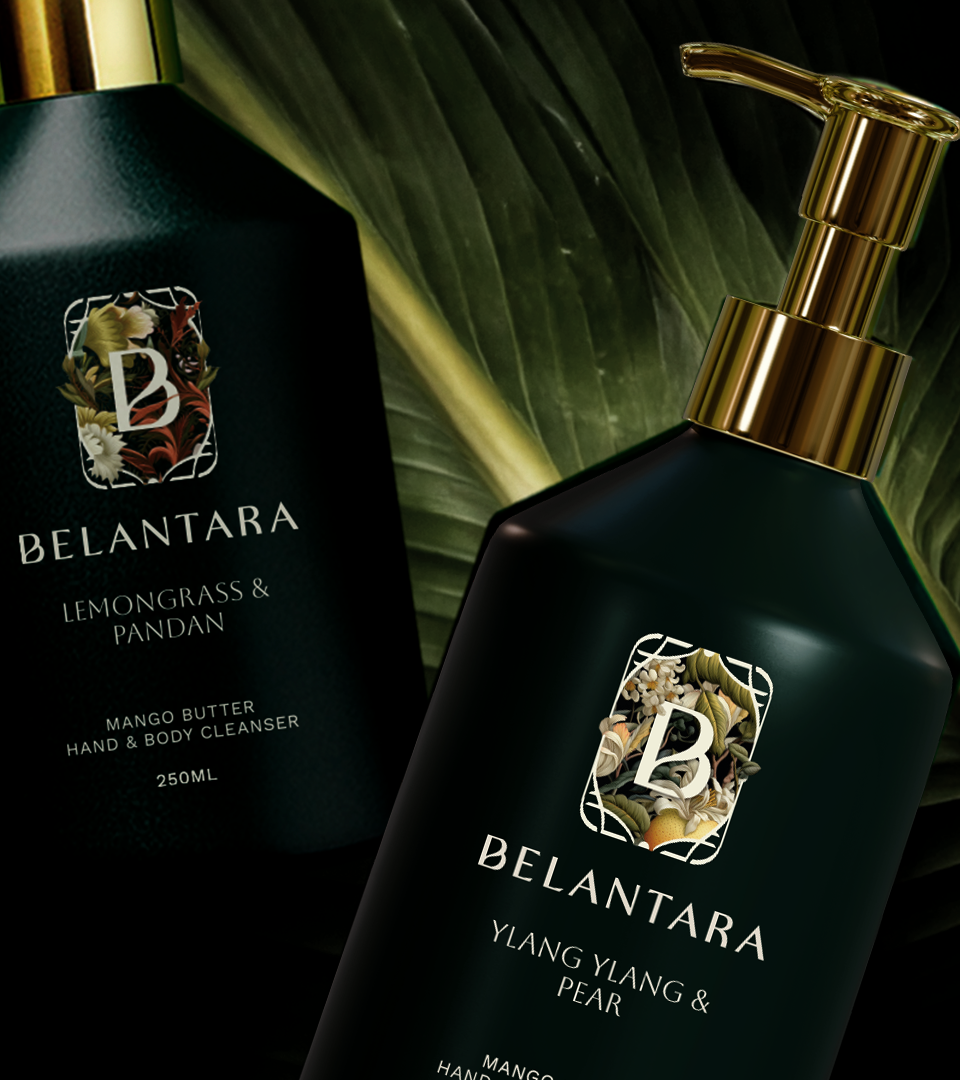
The fragrance moves through the Mango Butter Hand & Body Cleanser, the Mango Butter Hand & Body Lotion, and the matching Duet.
Different forms of the same ritual. The same scent left quietly on the skin.
Explore the Frangipani & Ambergris collection.
Made with care in Singapore.
Read more

In teaming up with Superminted, “Unveiling a tropical secret” was designated as the premise of Belantara’s brand story. Our collective mission was to fully incorporate this message, along with the...

Belantara announces its first ever pop-up store in Crane Living Joo Chiat. Drop by to experience our range of luxury Mango Butter Hand & Body Cleansers and a chance to meet the founders in person.