Ylang Ylang Meaning Origins and the Scent of the Tropics
At Belantara, ylang ylang is one of our favourite ways to bring Southeast Asia’s warmth into everyday ritual. Its fragrance is rich and generous, carried through a region where flowers are worn, gathered and woven into occasions both quiet and celebratory. To understand the scent a little more, we look closer at the flower itself, the places it grows, and the meanings people have long brought to it.
We take our time with its story, like a body care ritual: where it grows, where its name comes from, the creamy softness of its scent and why it became the inspiration for a fragrance of its own.
What Is Ylang Ylang?
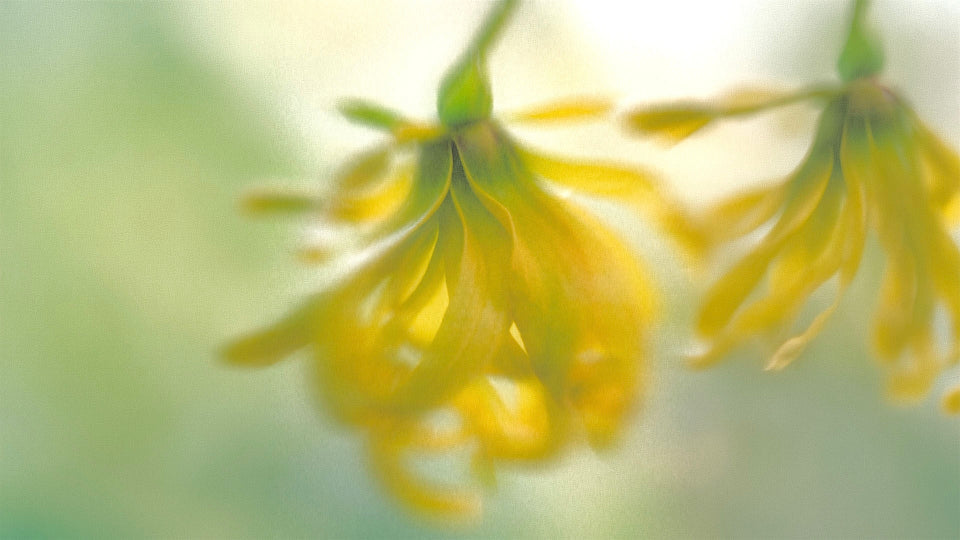
Cananga odorata is the tree behind the flower, a tall, loose-limbed species whose branches seem to droop under the weight of their own blooms. Each flower unfurls slowly, its petals thin as ribbon and pale green when young, deepening to a warm, buttery gold as they mature against a backdrop of dark, waxy leaves. It is a plant built for humidity, most at home where the air sits thick and warm for most of the year.
Ylang ylang is more than a flower. Its fragrant oil, distilled from the flowers, has long been valued by perfumers and carries the floral scent far beyond the tree.
What Does Ylang Ylang Mean?
The word ylang ylang comes from ilang-ilang, , its Tagalog name, used across the Philippines long before the flower found its way into European perfume houses. Over time, it became woven into ceremonies and rituals across Southeast Asia. Today, that heritage lives on in contemporary luxury, with ylang ylang celebrated as a signature ambient scent across homes, high-end hotels and tranquil spas in Singapore.
Ylang Ylang Symbolism and Cultural Traditions
Long before ylang ylang belonged in a bottle of body lotion or cleanser, it was threaded in hair, worn behind an ear, scattered across beds and doorways for weddings across the Philippines and Indonesia. In Java and Bali, its flowers move easily between ceremony and the everyday, gathered with equal care whether the occasion is a celebration or simply an ordinary morning that deserves a little more beauty than most.
What we admire most is how little the flower insists on a single meaning. Its symbolism shifts with whoever gathers it, sometimes romance, sometimes ritual, sometimes nothing more specific than the pleasure of wearing something beautiful well. We try to hold that same lightness in how we use it, treating ylang ylang less as a fixed symbol and more as a flower for a body care ritual worth honouring rather than owning.
What Does Ylang Ylang Smell Like?
Up close, ylang ylang unfolds in layers, never quite content to be just one thing. It opens with a lush, creamy sweetness, almost custard-like, before ripening into a fruitier heart, then melting into a soft, spiced warmth that stays on the skin. Less a single note than a slow composition, it shows one facet at a time.
A Floral Heart with Creamy Sweetness
At its centre, ylang ylang carries a rounded, almost edible sweetness, the kind that brings honey and custard to mind without smelling exactly like either. It is a texture as much as a scent, soft-edged and unhurried, the sort of floral note that seems to melt rather than simply exist in the air around it. We find it easier to describe through feeling than through formula, a warmth on the skin more than a fact on a page.
How Other Notes Shape the Scent
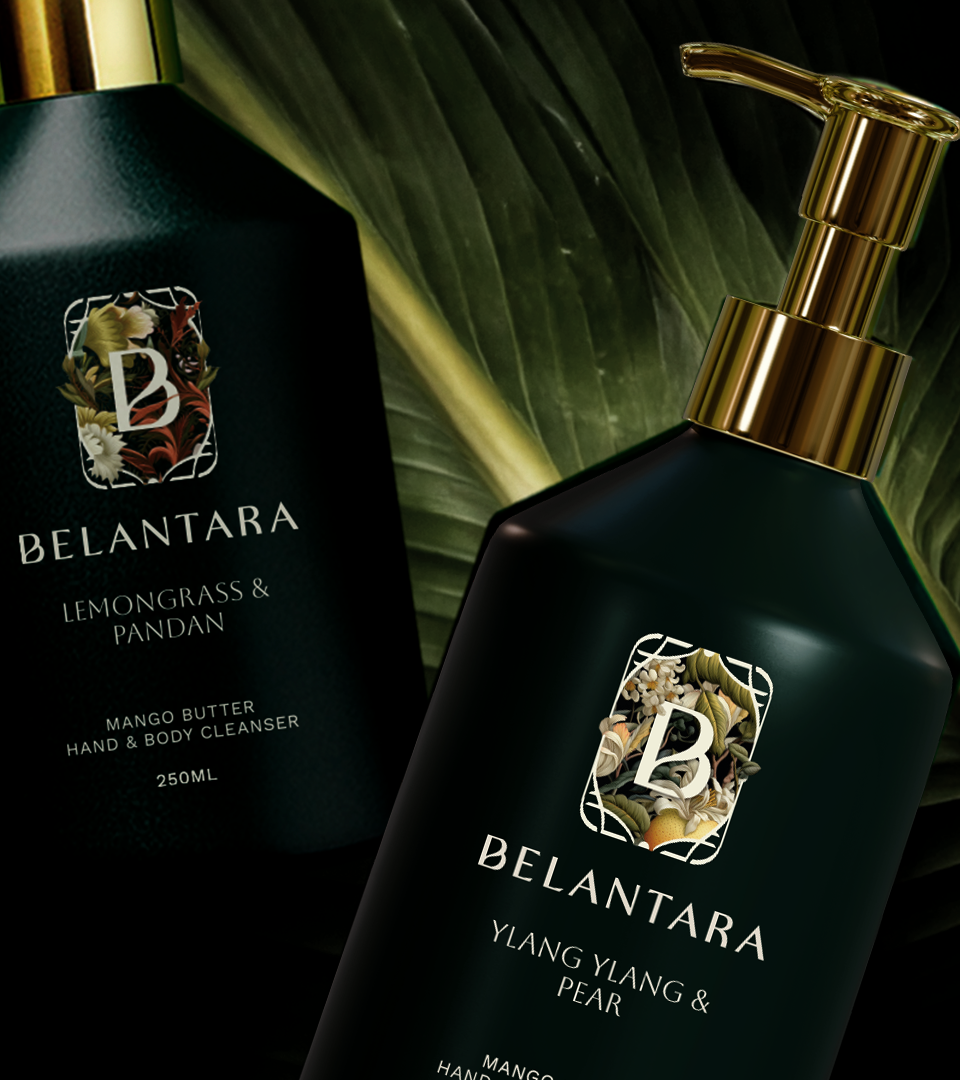
Ylang ylang changes with the notes around it. Beside something crisp, its creamy sweetness turns brighter and lighter. That is why we paired it with pear, a delicate, juicy note that lets the flower breathe. Together, they come alive in our Ylang Ylang and Pear hand and body cleanser and lotion, like stepping beneath the flowering tree itself, where the air is warm and heavy with scent.
Ylang Ylang and Pear in Belantara Body Care
When we set out to create a fragrance around ylang ylang, we wanted something to sit beside its warmth rather than compete with it, which is how pear found its way into the composition. Pear brings a clean, slightly green sweetness that keeps the floral heart and mango seed butter pairing from feeling too rich, the two notes settling together the way an orchard might sit just beyond a flowering garden.
 |
 |
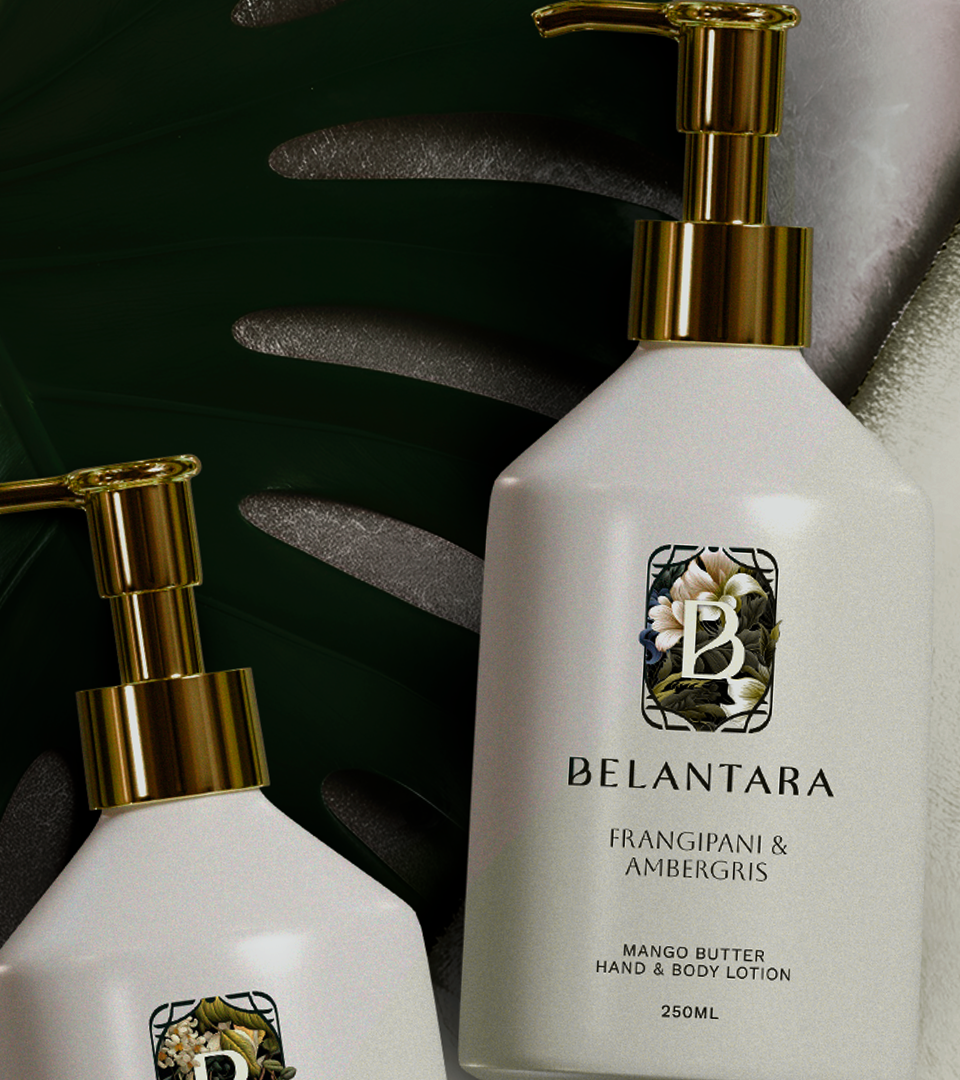
That pairing now runs through two everyday rituals, a Hand & Body Cleanser for the beginning of a shower, and a matching Hand & Body Lotion to carry the same warmth once the skin is dry.
Every Belantara product is formulated and made in Singapore, with a base of mango seed butter, drawn from the part of the fruit most people throw away. It is an ingredient close to the heart of our story. Here, the fragrance leads, floral and fruit notes meeting, while the butter leaves skin deeply hydrated and soft, never heavy.
A Tropical Flower in Everyday Ritual
Ylang ylang arrives with a story already written into its blooms: an unmistakable silhouette, a name rooted in Tagalog, and a lush Southeast Asian home shaped by heat, rain and tropical abundance. To know the flower is to experience its fragrance differently: richer, more intimate, more alive.
At Belantara, this closeness to nature runs through every body care ritual we create: Our ylang ylang body cleanser stays gently floral after a rinse, while the body lotion lets the scent sit and bloom. With one shared scent, the routine feels more connected.
Because true luxury is not always about more. Sometimes, it is about leaving just enough silence to notice everything.