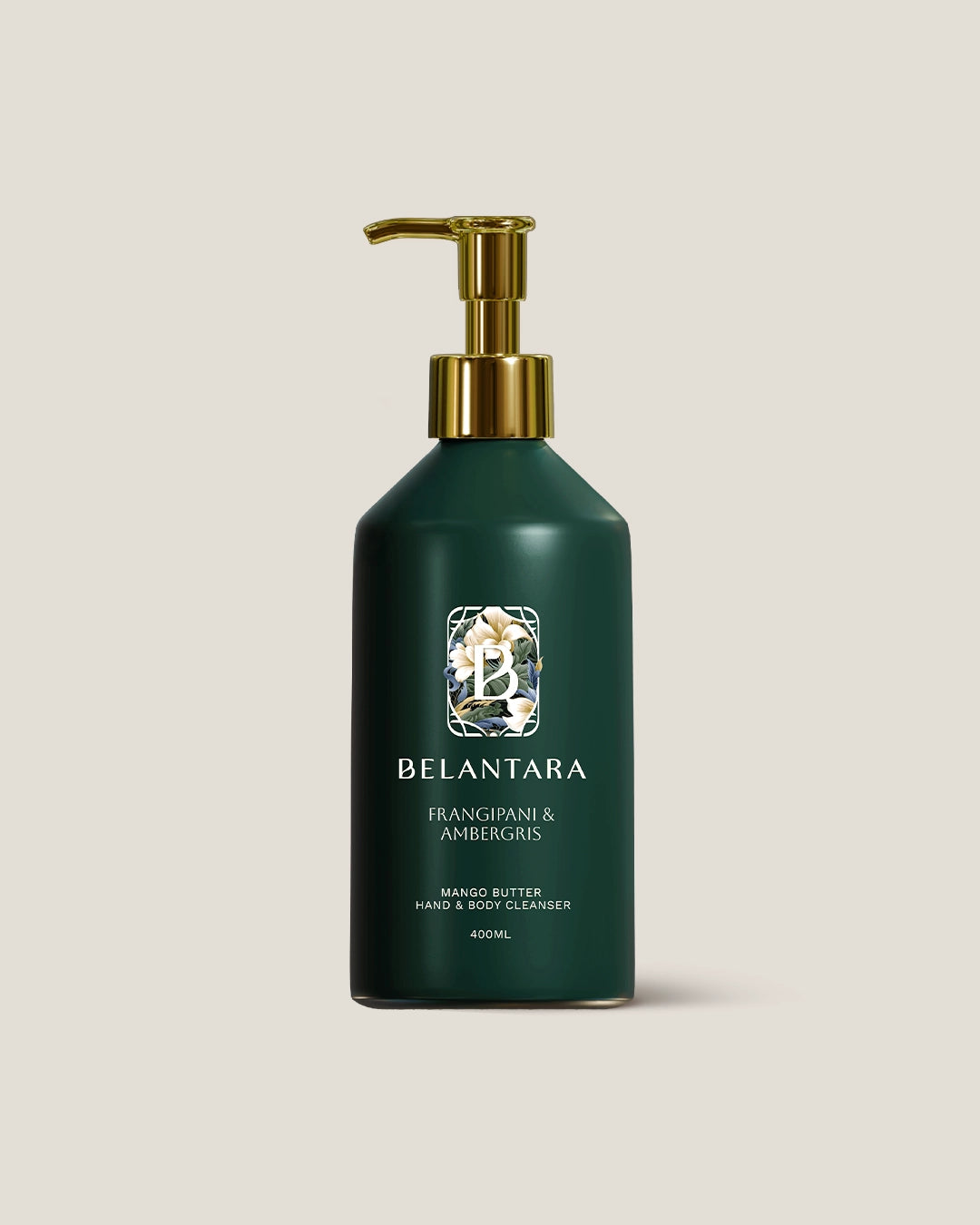
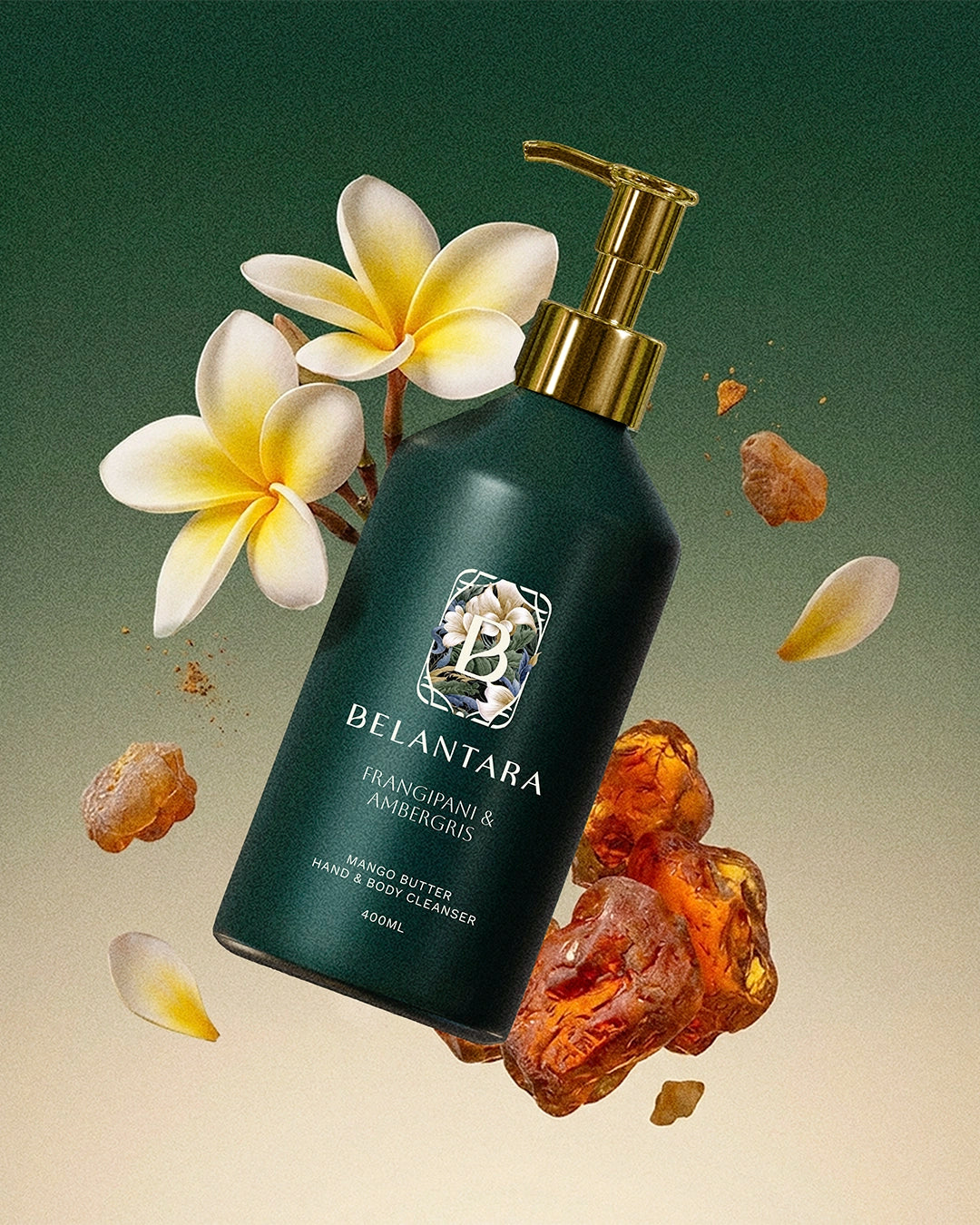
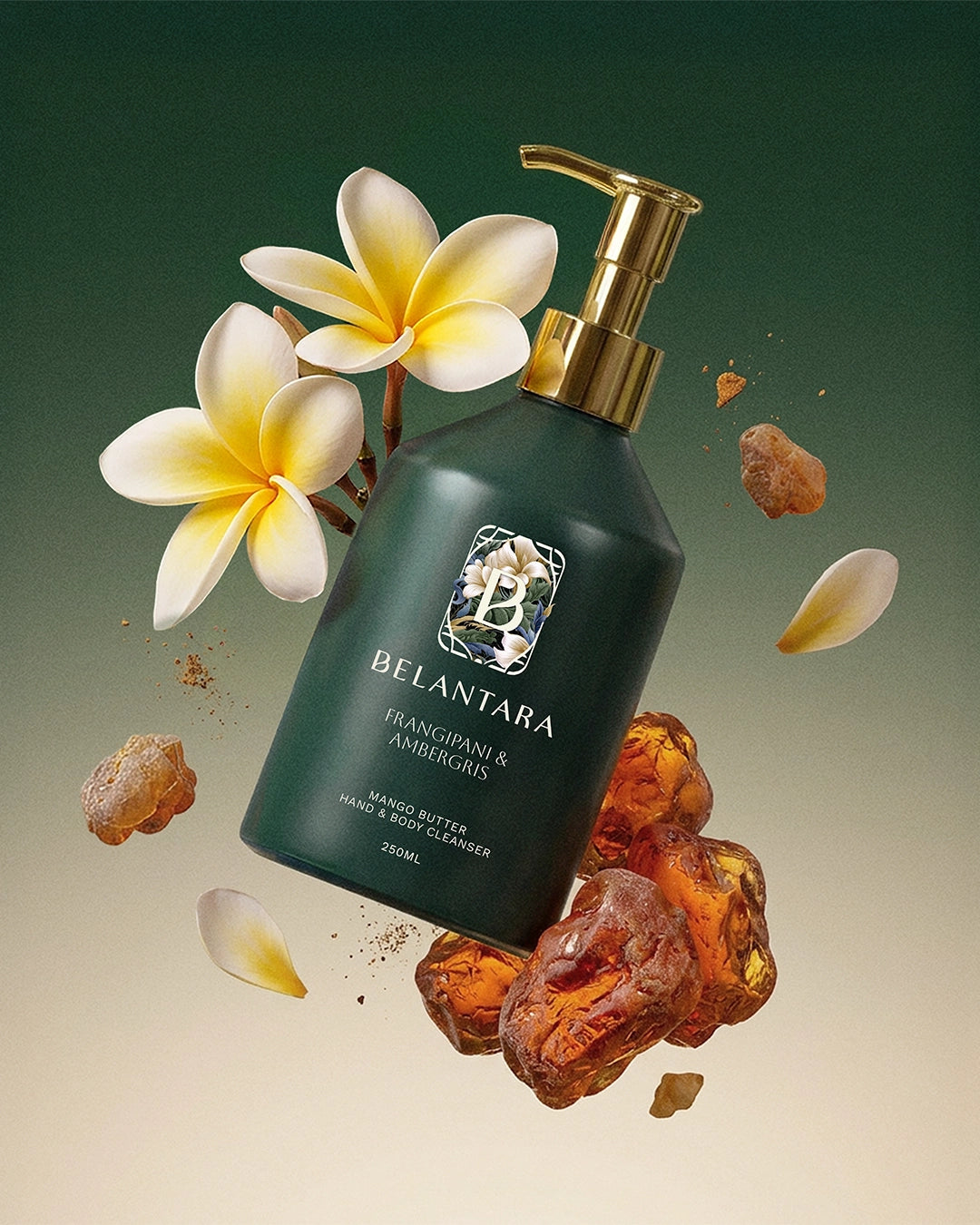
The frangipani — botanically Plumeria — is a small tropical tree with thick, succulent branches and waxy, five-petalled flowers in soft cream, ivory, sometimes a touch of pink at the centre. It is native to the warmer parts of the Americas, but has been cultivated across the tropical world for so long that no one really thinks of it as foreign anywhere it grows. In Singapore it is part of the landscape — in private gardens, public parks, hotel courtyards, the long quiet stretches of the Botanic Gardens at dusk. The flowers fall steadily through the day. The scent is in the air long before you see the tree.
The aroma comes from a simple botanical fact. Frangipani's pollination strategy is to attract moths in the cool of the evening, when the flower's volatile aromatics are at their most expressive. The result, on the human nose, is a fragrance with three movements: a top of soft, milky white florals; a heart of jasmine-adjacent sweetness; a base of something warm and faintly fruit-like, almost peach. Of all the white florals the tropical world produces, frangipani is the most generous on its own — full, complete, three-dimensional from the first inhale.
In body care, frangipani is famously difficult to capture well. Many synthetic interpretations of it are too candied, too one-note, missing the depth that the real flower carries. We work with a fragrance partner whose frangipani holds the warmth of the late tropical afternoon — the moment the air thickens before a rain — rather than the sugar of an air freshener.
We pair it with ambergris because the two are old companions in fine perfumery. Ambergris — the warm and slightly woody base — gives the frangipani somewhere to land. The scent settles instead of evaporates. It lingers, on the skin, the way a frangipani lingers in the air of a Singapore garden long after the bloom has fallen.