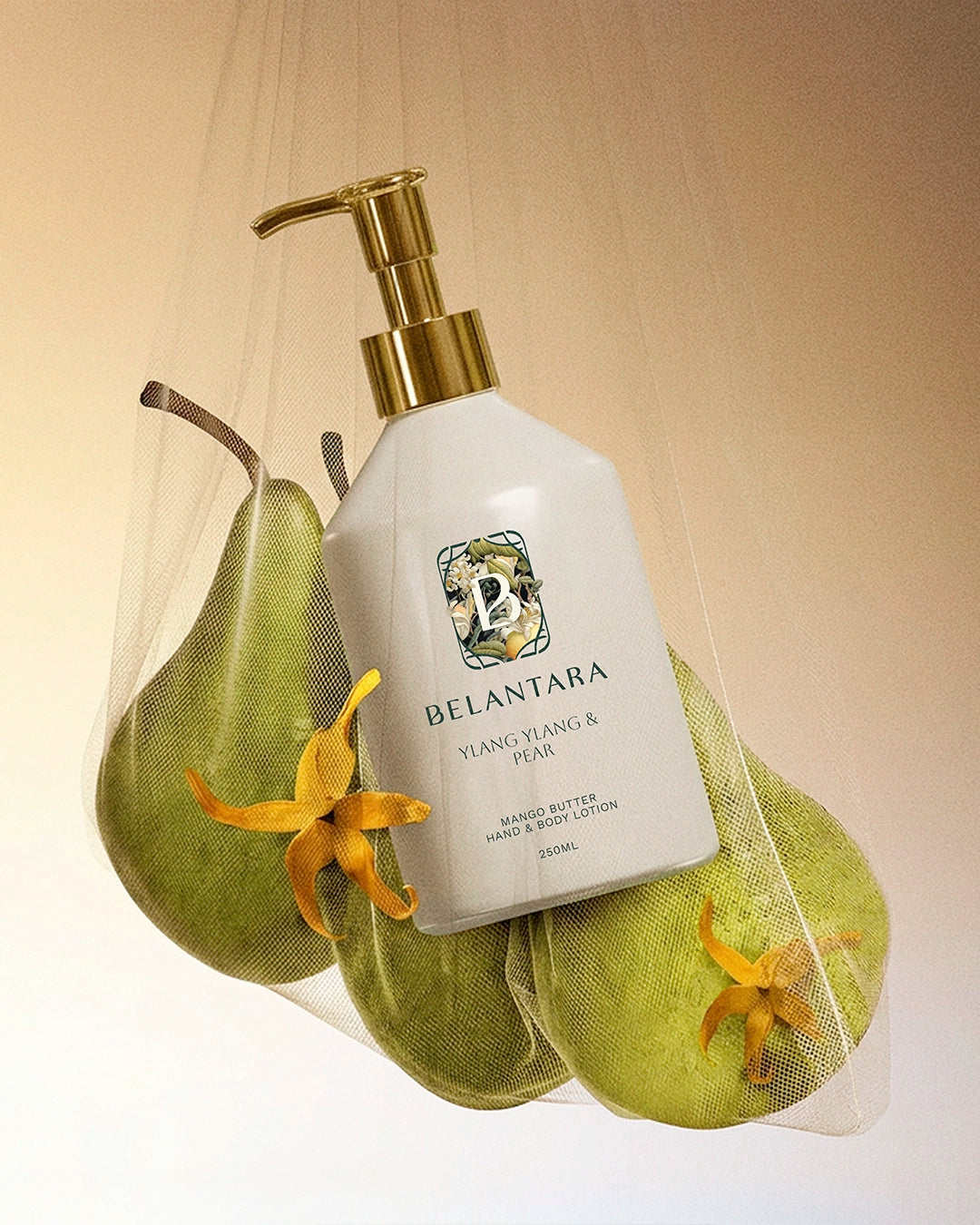
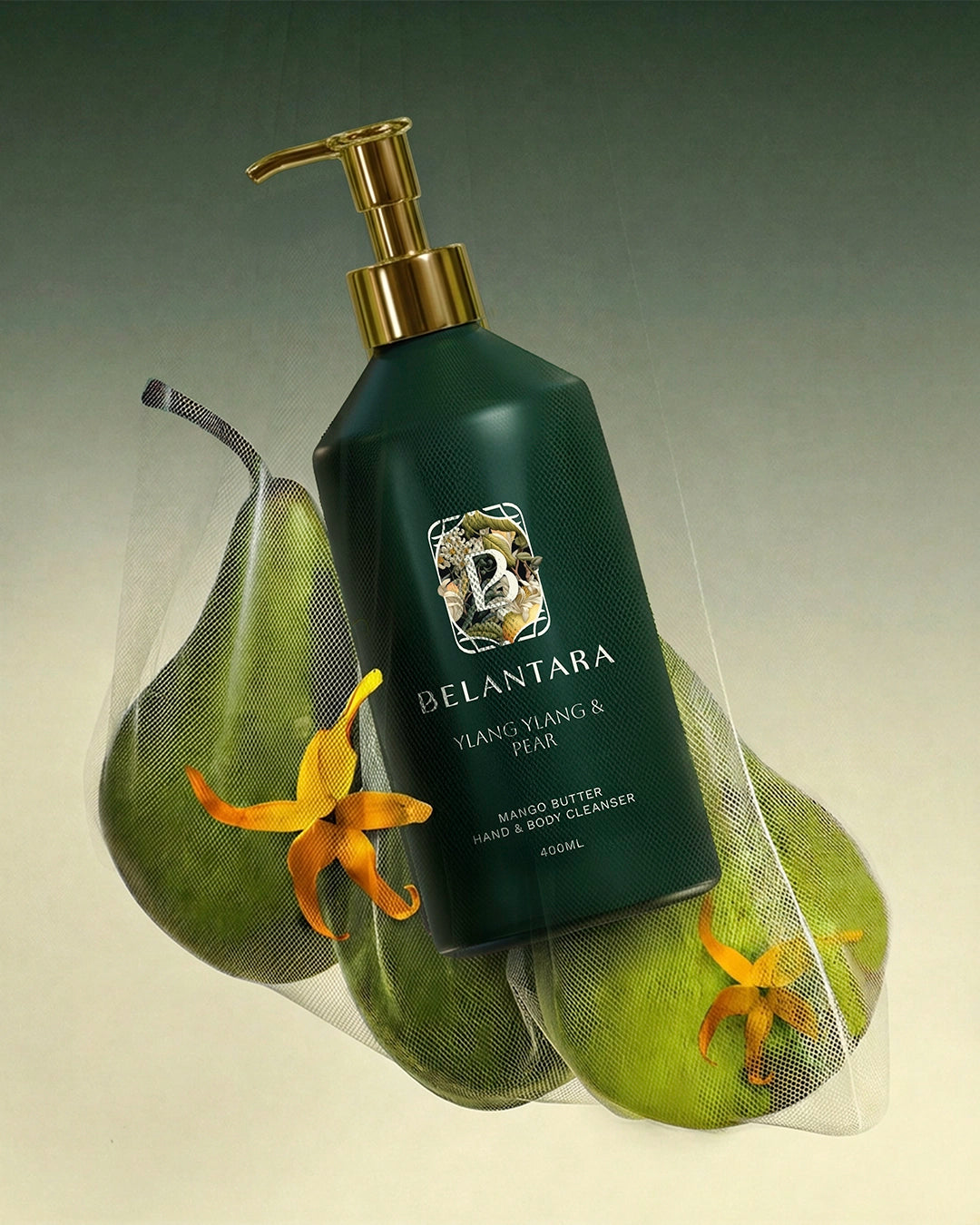
Ylang ylang — botanically Cananga odorata, sometimes spelled ilang-ilang — is a flowering tree of the warmer parts of tropical Asia, now grown across the wider tropical world. The flower itself is unmistakable up close: long, narrow, drooping petals in a soft lemon-yellow, looking almost like a sea creature held in the air. Each flower contains its own complete fragrance profile — there is no way to layer ylang ylang. The flower already carries the layers.
In the perfume industry, ylang ylang is one of the few natural materials capable of carrying an entire fragrance on its own. It is rich, sweet, warm, and faintly tropical-fruit-laced — the closest familiar reference is jasmine, but ylang ylang sits warmer and rounder, with a smoother edge. In Singapore, ylang ylang trees grow in scattered private gardens, in older neighbourhood greenways, and as ornamentals in a handful of the larger parks — a quieter presence than frangipani, but the same warm tropical lineage.
The scent description, plainly: a warm floral with creamy-sweet top notes, a heart of soft jasmine-adjacent depth, and a base that is almost banana-leaf warm — slightly green, slightly fruit-laced, never sharp.
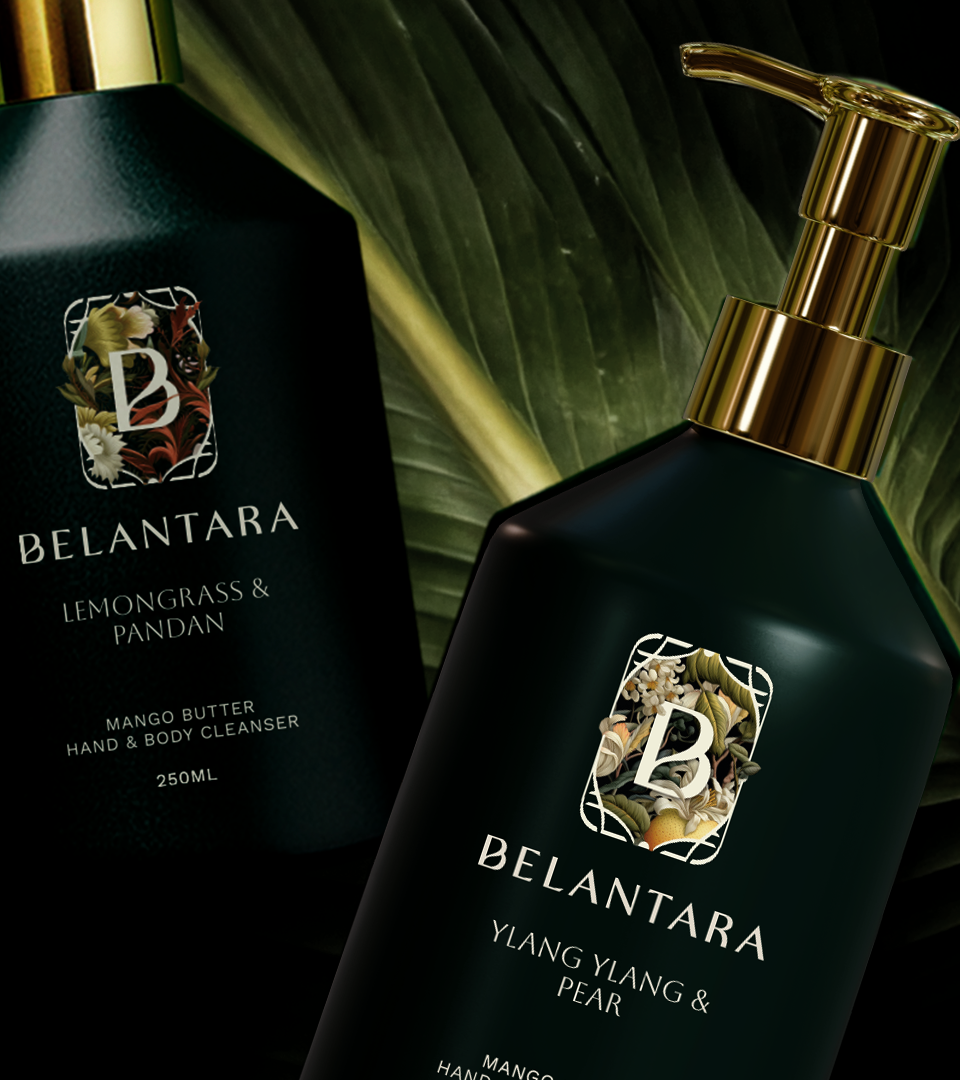
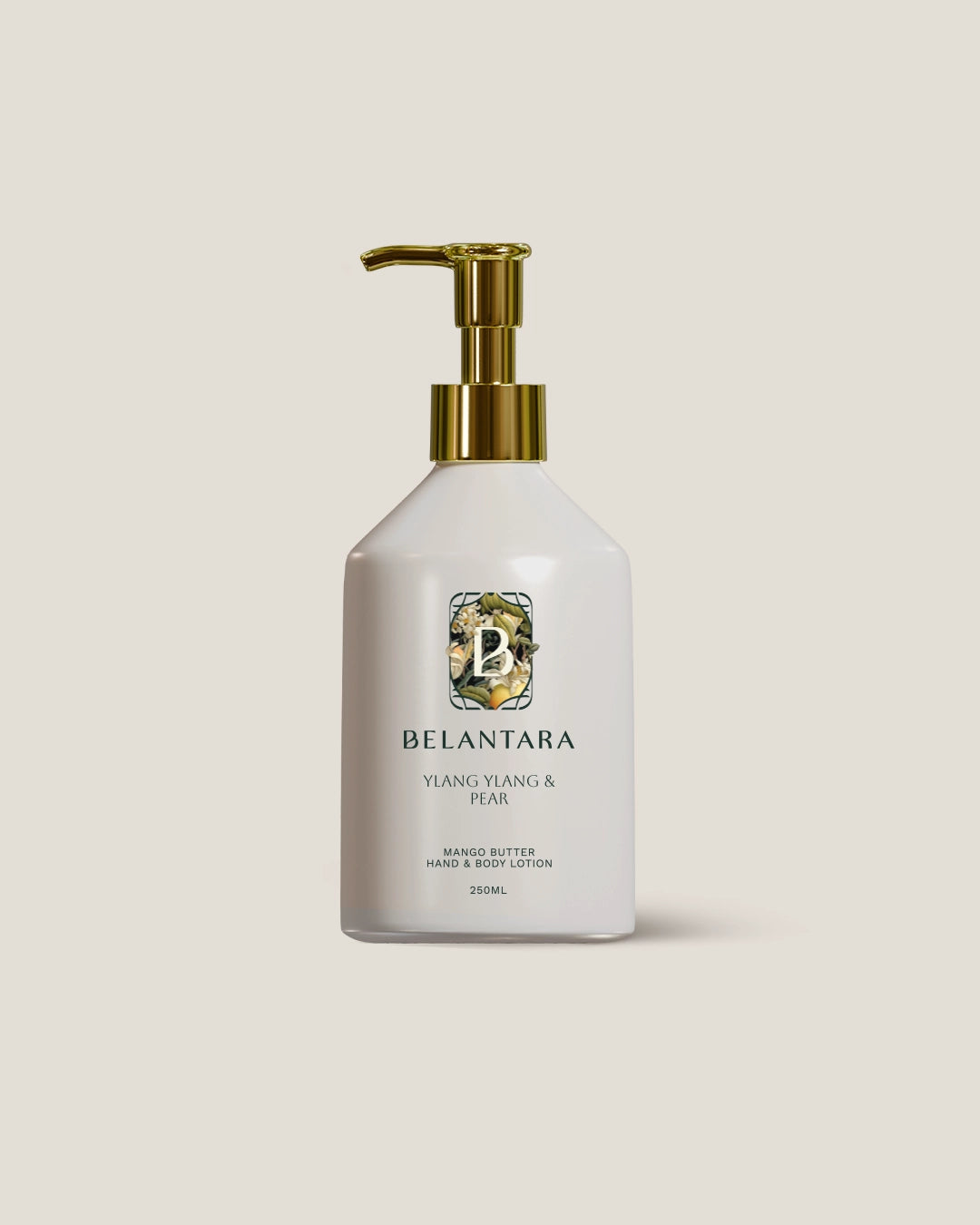
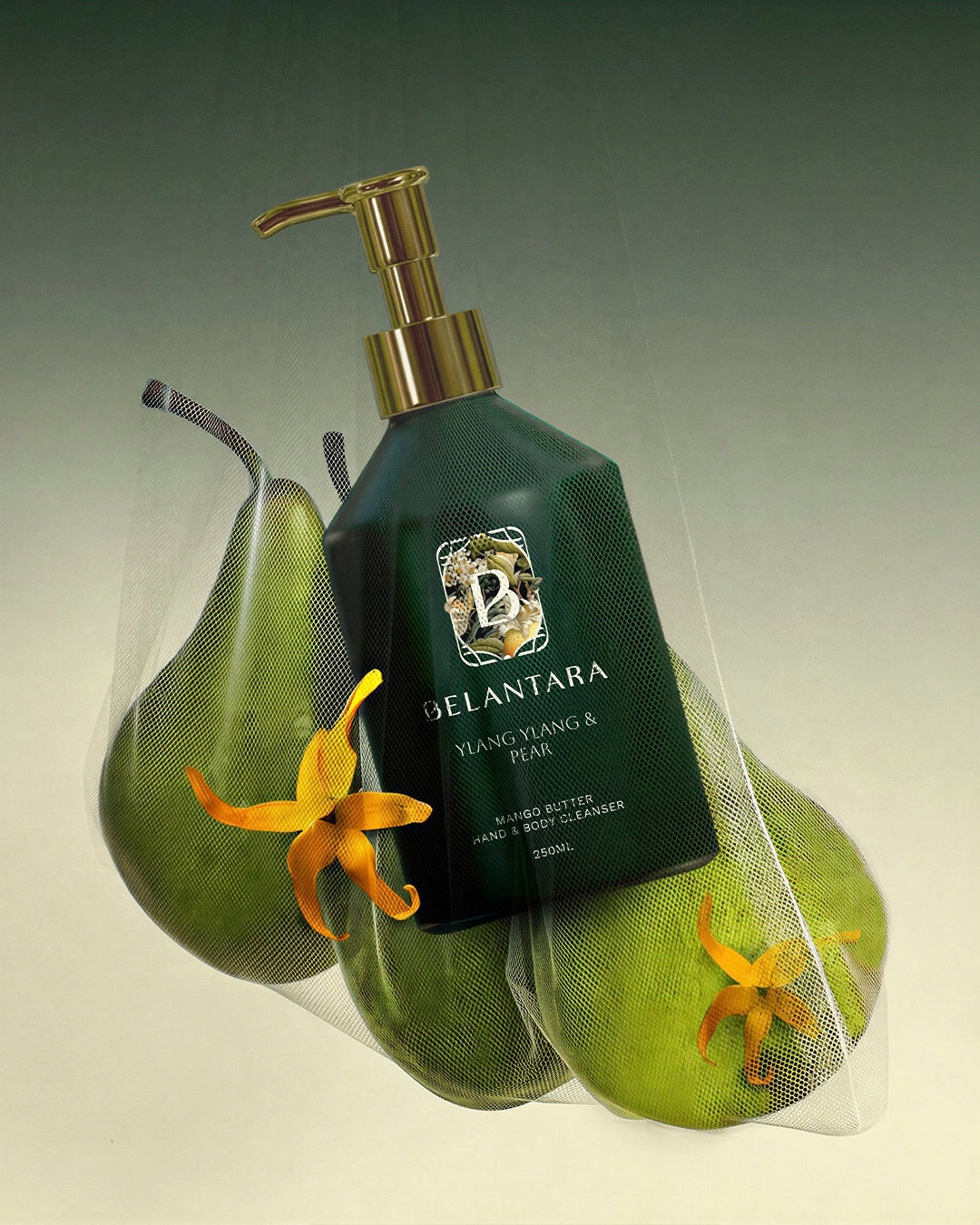
We pair it with pear because pear is the rare partner that gives ylang ylang somewhere to go without competing. Pear softens the warmth at the top, lifts the floral heart, and lets the base settle quietly. The result is a fragrance that reads bright on skin in the morning and warm by the evening — the same scent, lived through the day.