A note on why lemongrass is different in Southeast Asia.
Lemongrass is not a new ingredient in body care — it appears in products from brands across Europe and North America, usually as an essential oil used in small quantities for its bright, clean character. In most Western body care, it is a supporting note: something that lifts a fragrance without anchoring it.
In Southeast Asia, lemongrass is not a supporting note. It is a protagonist. The ingredient is embedded in the food culture, the traditional medicine practice, and the everyday sensory landscape of the region in a way that gives it a different kind of meaning — not exotic, not imported, but native. The scent of lemongrass in a Singaporean context carries the full weight of that history: the market, the kitchen, the garden, the land.
This is why we use it as one of three primary fragrances. It is not being applied as a trend ingredient or as a botanical claim. It is being used as a material that belongs here, that the people who live here recognise, and that brings the brand’s Southeast Asian identity into the body care ritual directly.
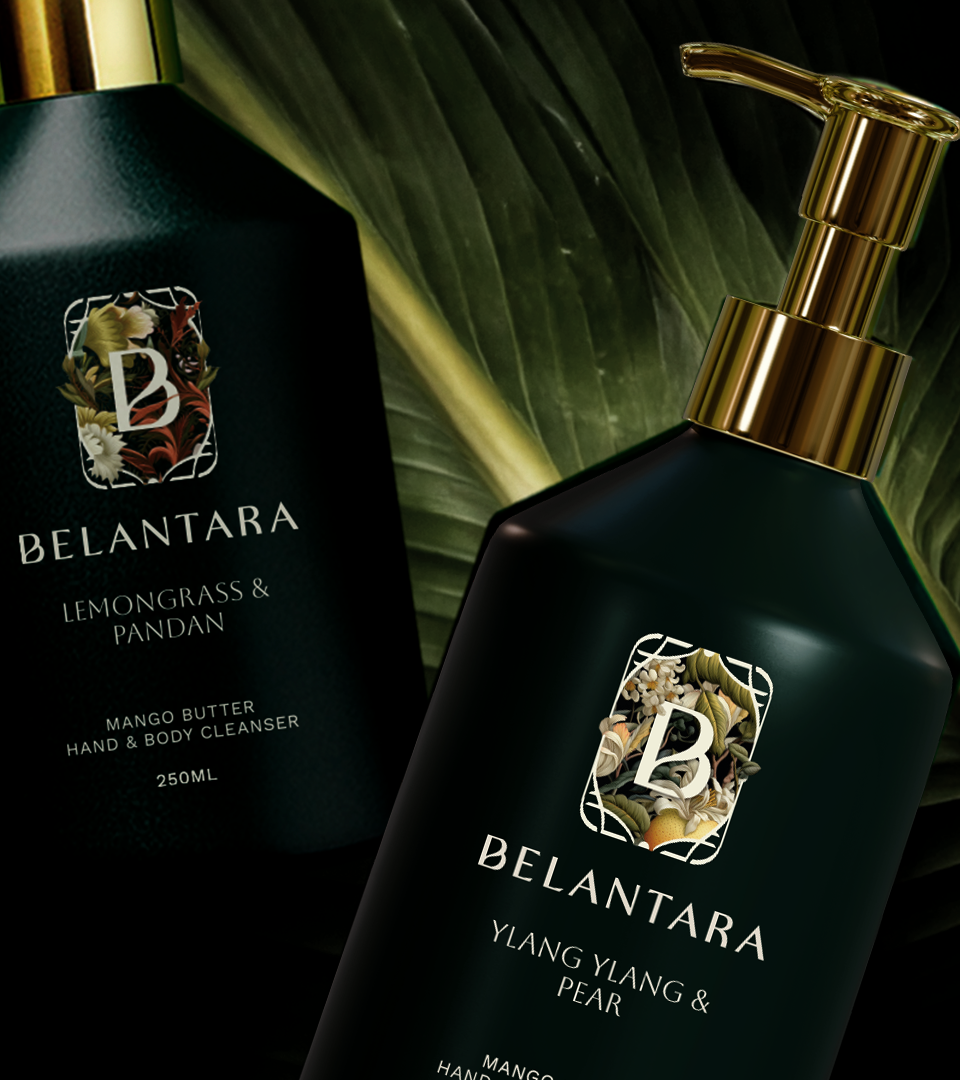
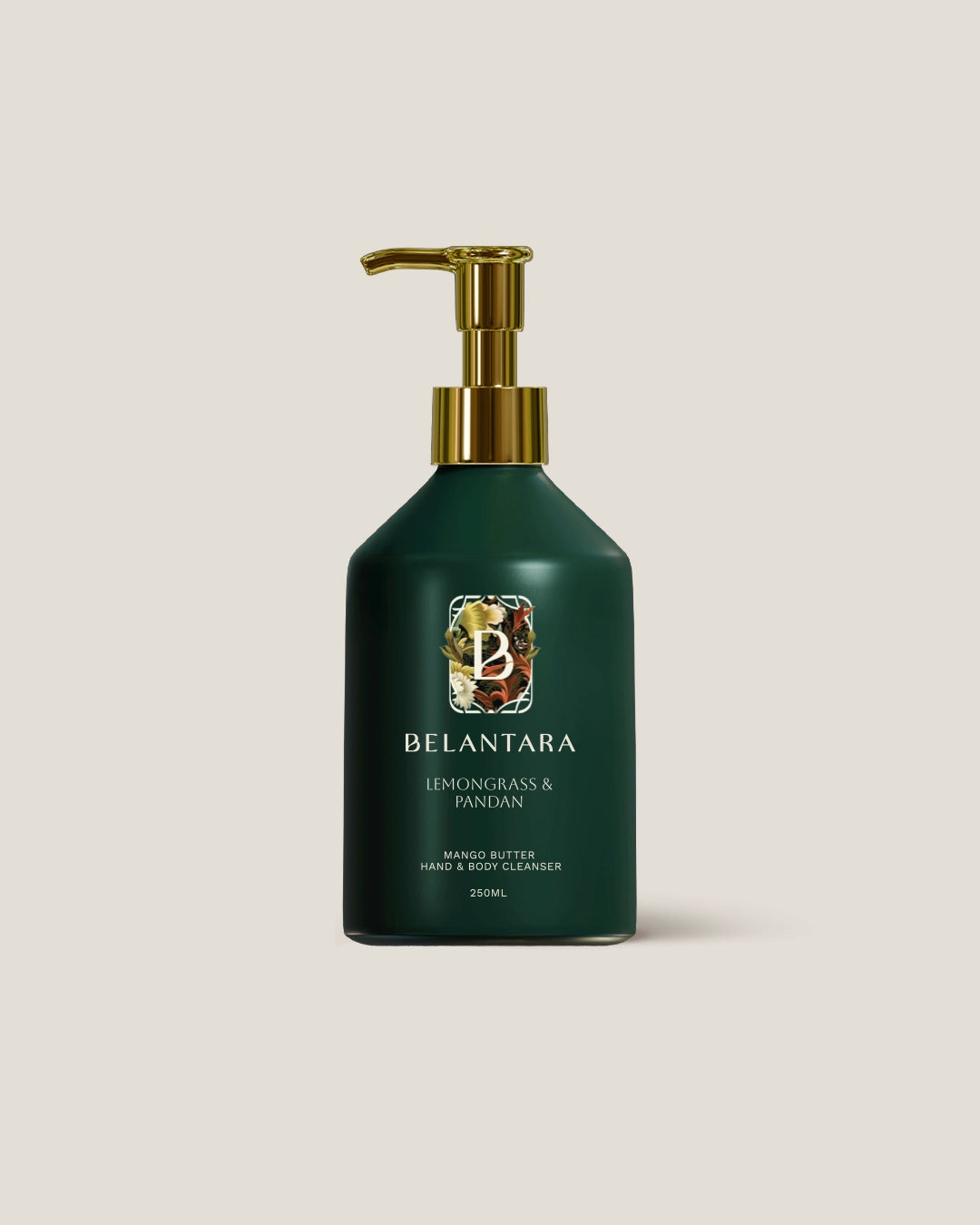
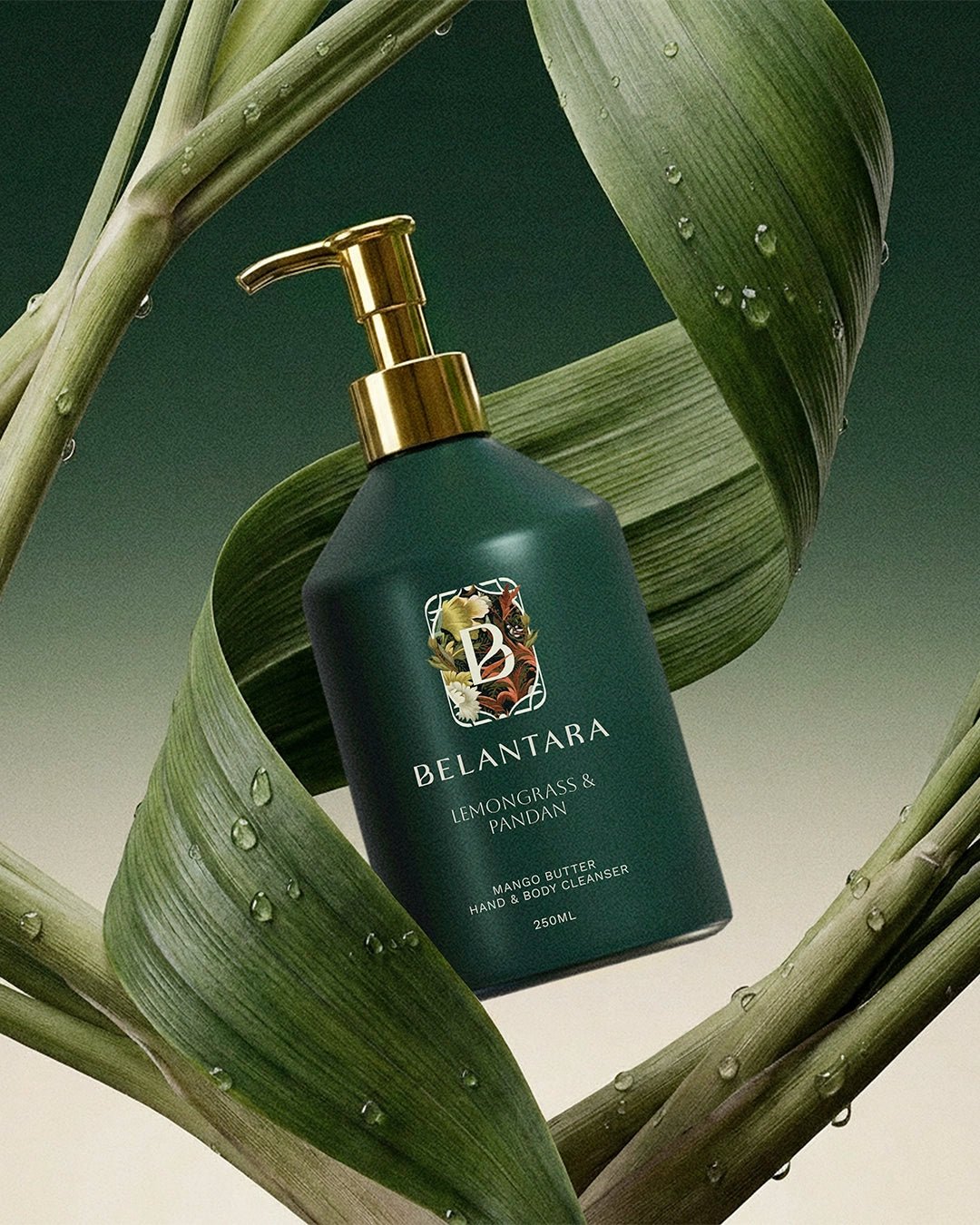
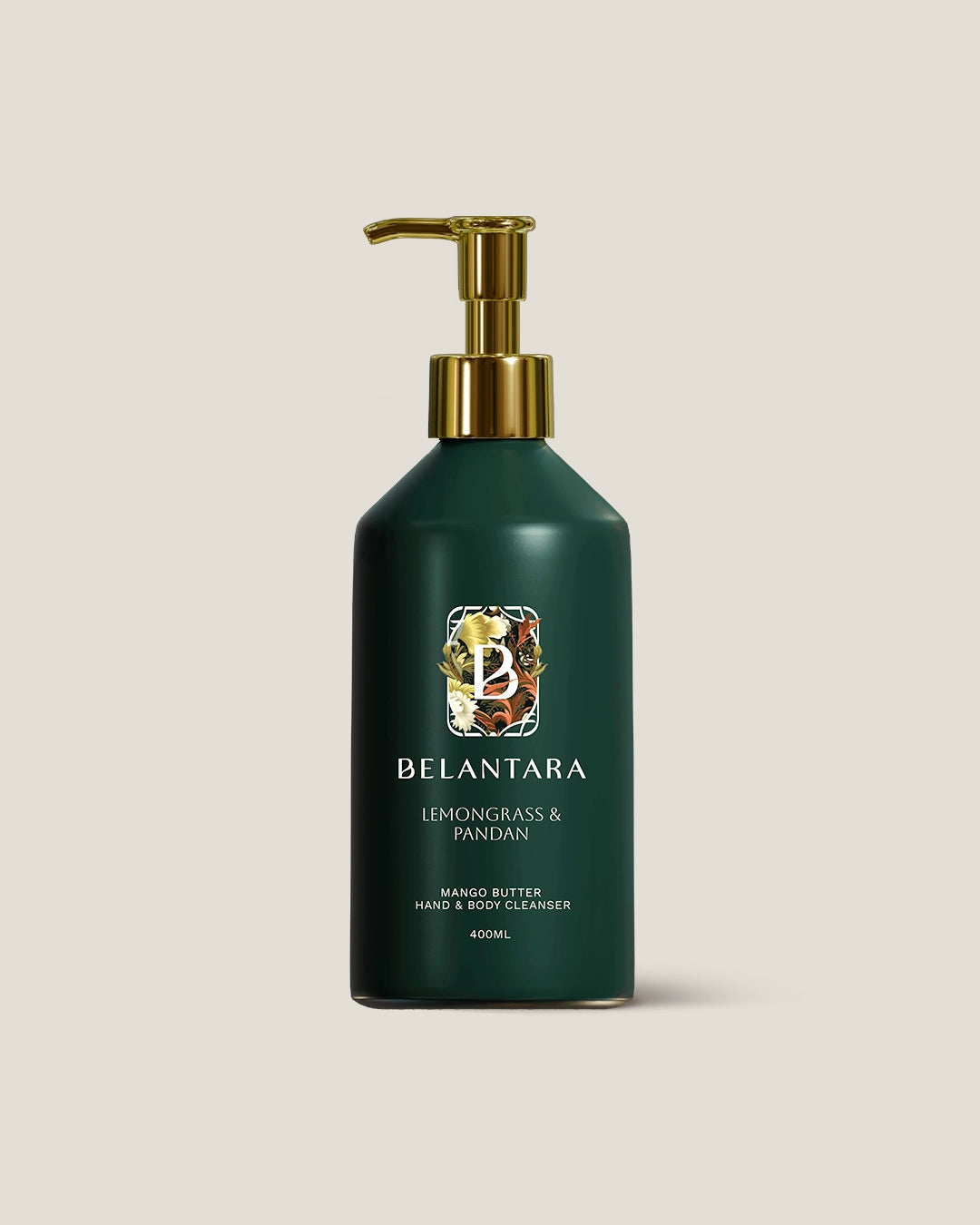
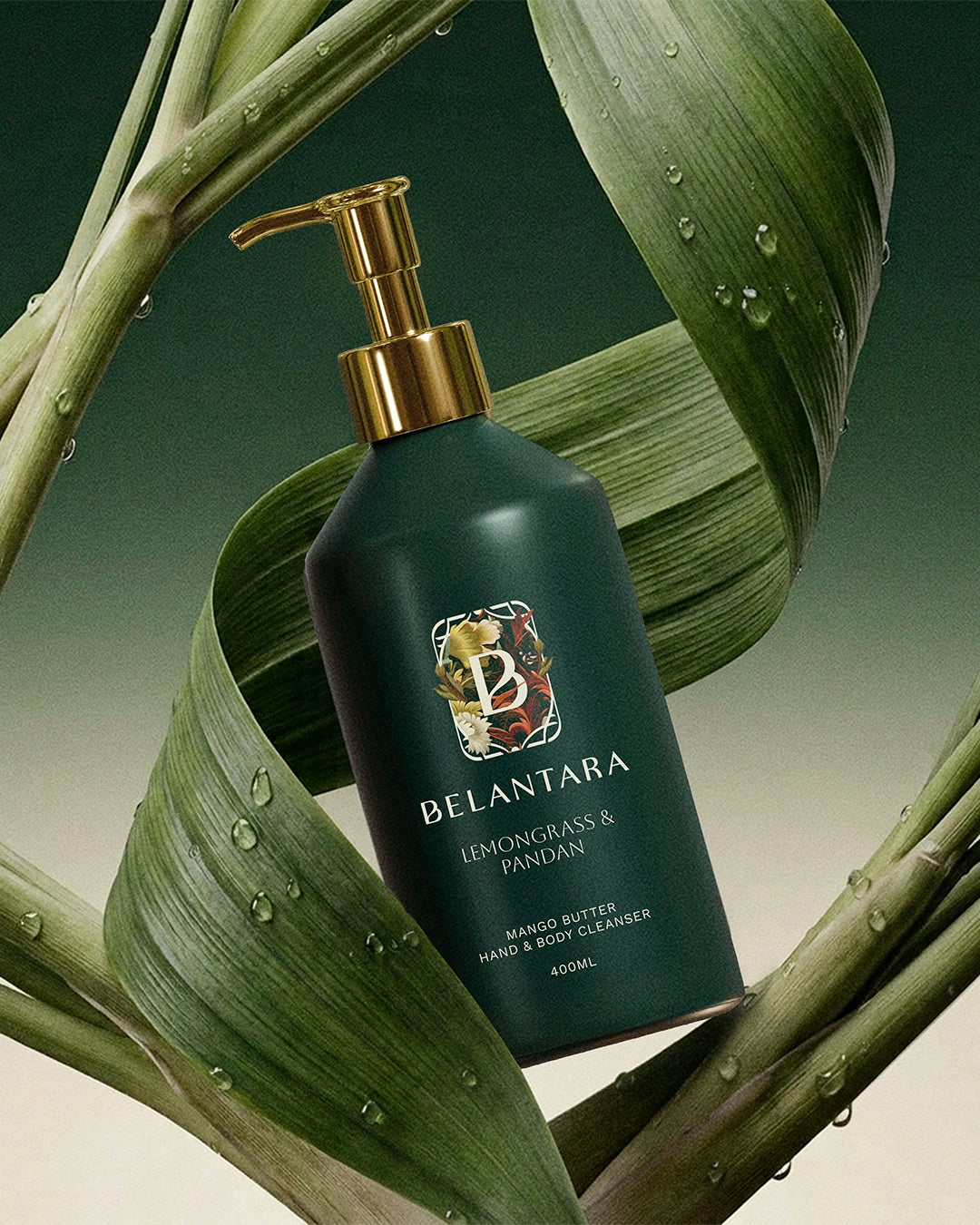
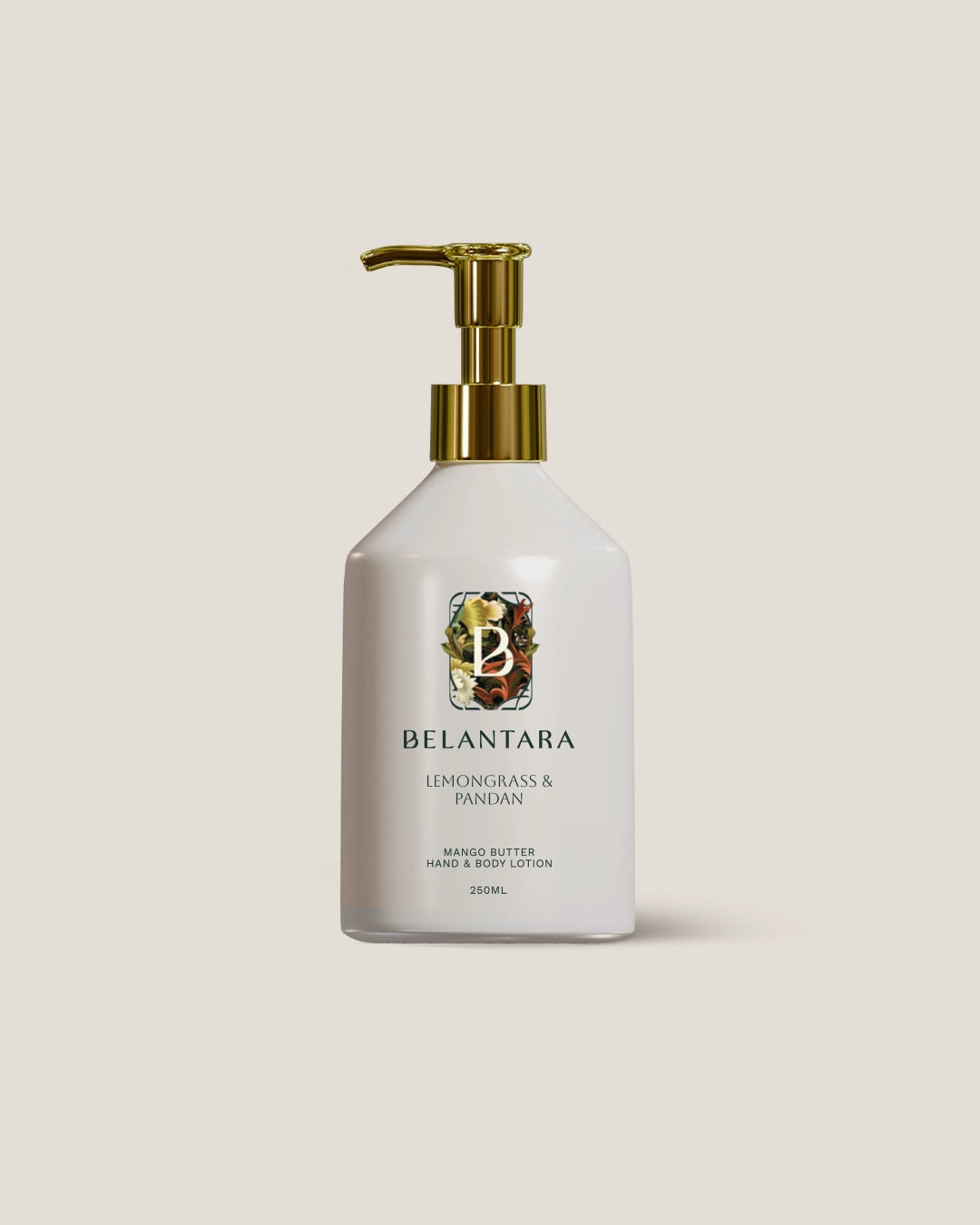
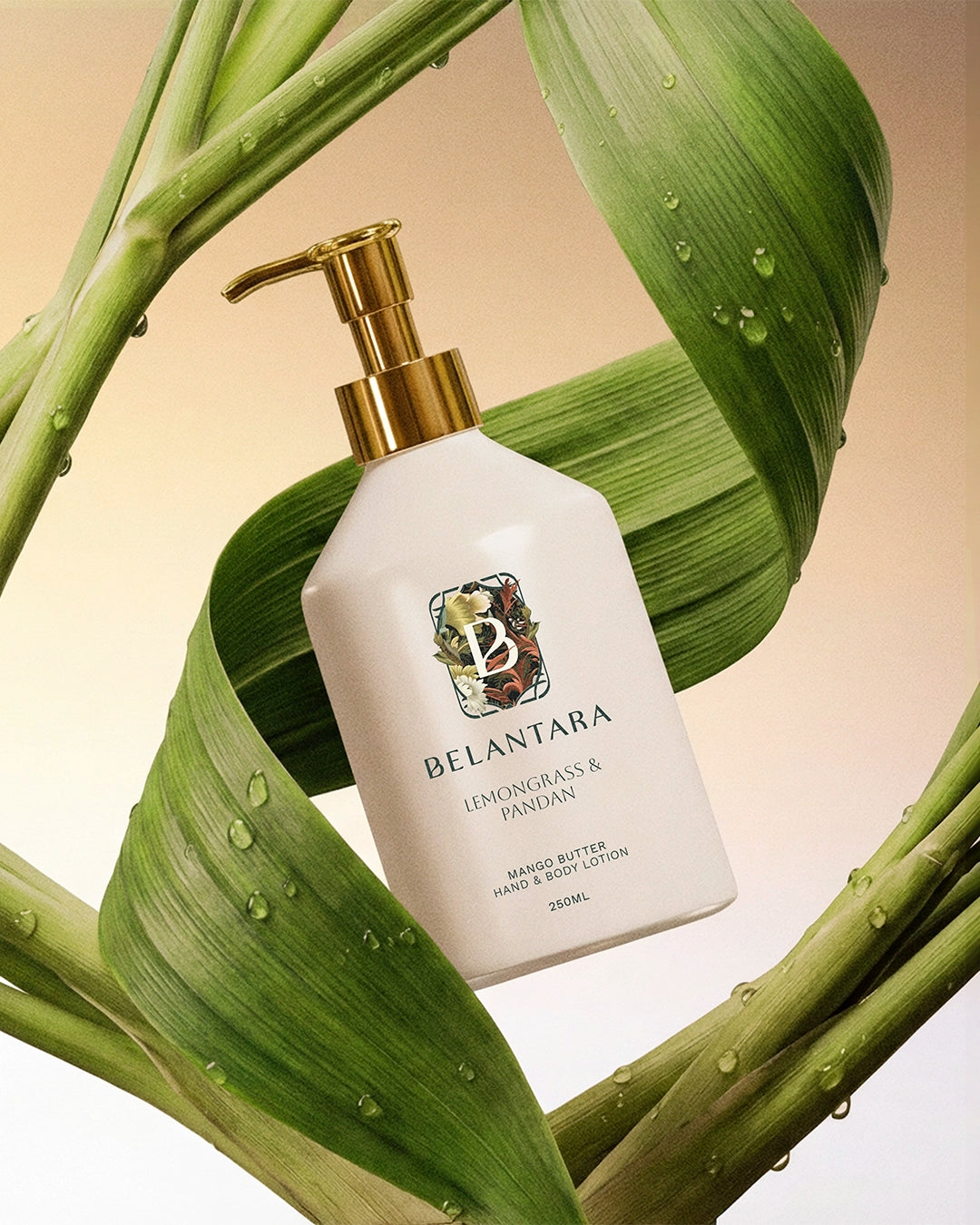
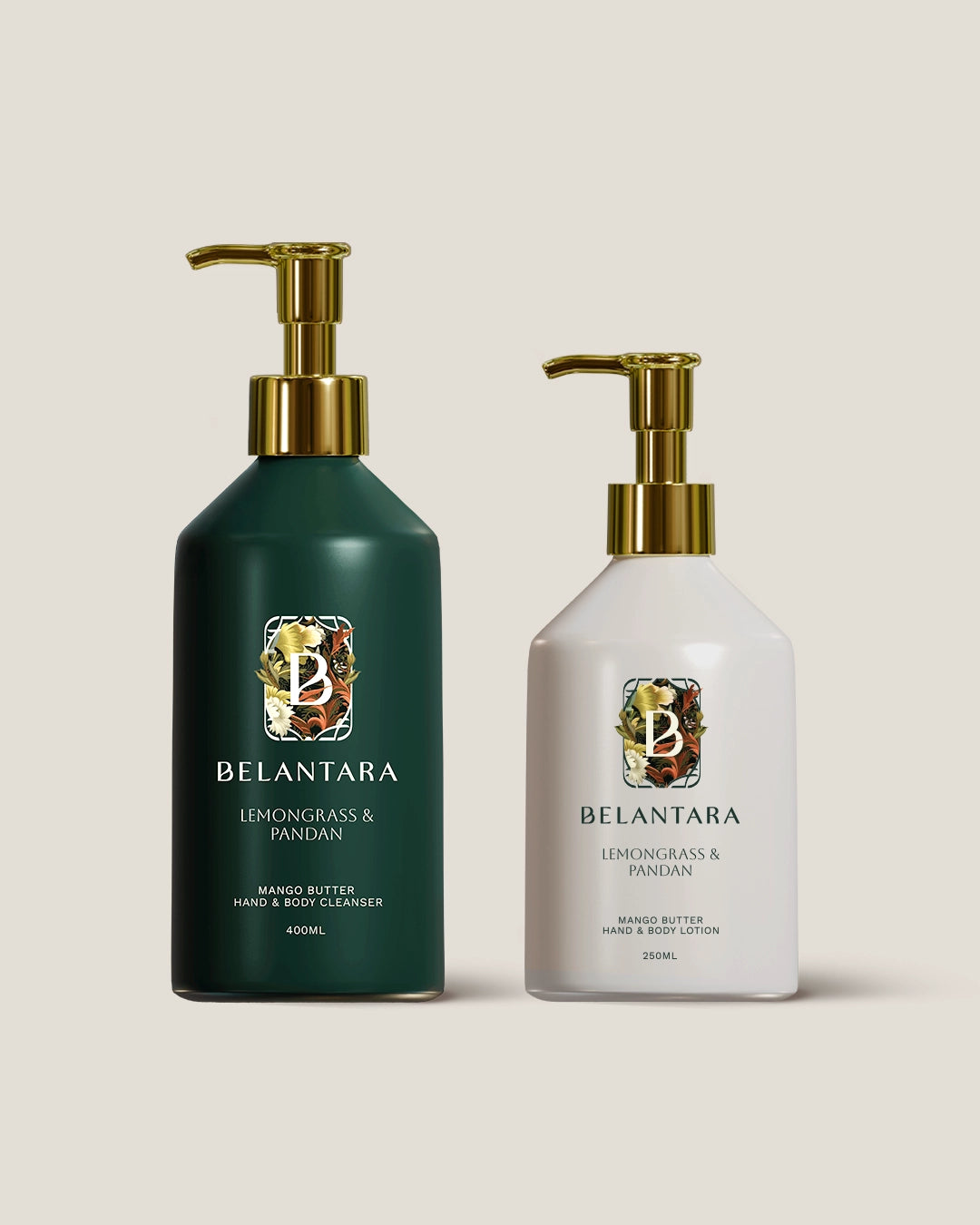
The Lemongrass & Pandan fragrance is crafted to carry lemongrass at its most characteristic — the bright citral quality that makes it instantly recognisable, arriving clearly, settling warmly, lasting genuinely.