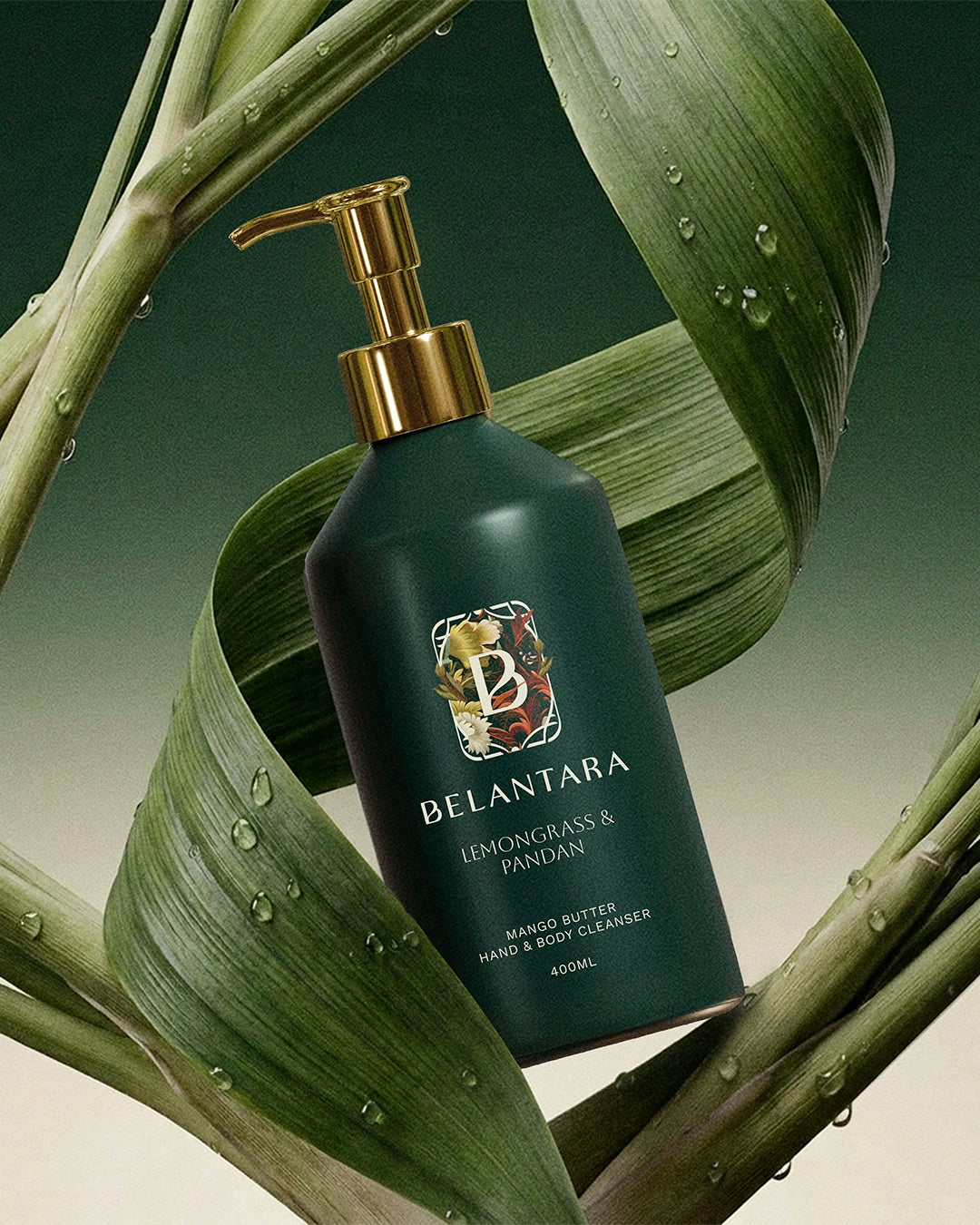
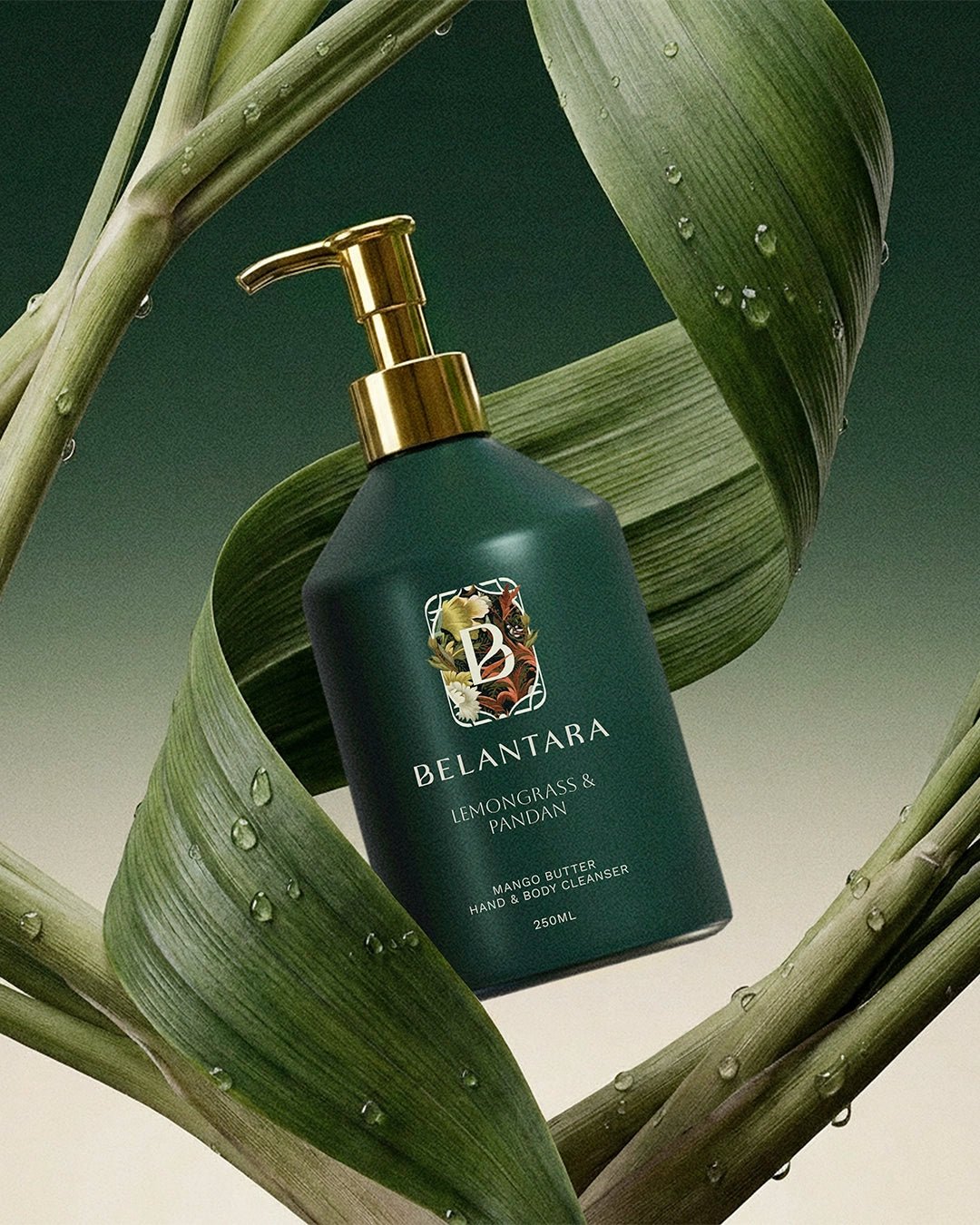
Pandan — Pandanus amaryllifolius, daun pandan — is a tropical herb with long, narrow, bright-green leaves that grow in low clumps near the ground. It is native to the warmer parts of Southeast Asia and has been cultivated for so long that no one is quite sure where the wild population originally stood. In Singapore, pandan sits at the heart of the kitchen — knotted into curries, woven into rice, infused into syrups, beaten into the iconic green chiffon cake that travels home in pink boxes from neighbourhood bakeries.
The aroma comes from a single dominant compound — 2-acetyl-1-pyrroline, the same molecule that gives jasmine rice and freshly baked bread their warm-grain warmth. This is why pandan smells faintly like vanilla without any vanilla in it, faintly like rice without any rice in it. The molecule is a quiet shapeshifter — green when fresh, warm when heated, almost dessert-adjacent when paired with sugar or coconut.
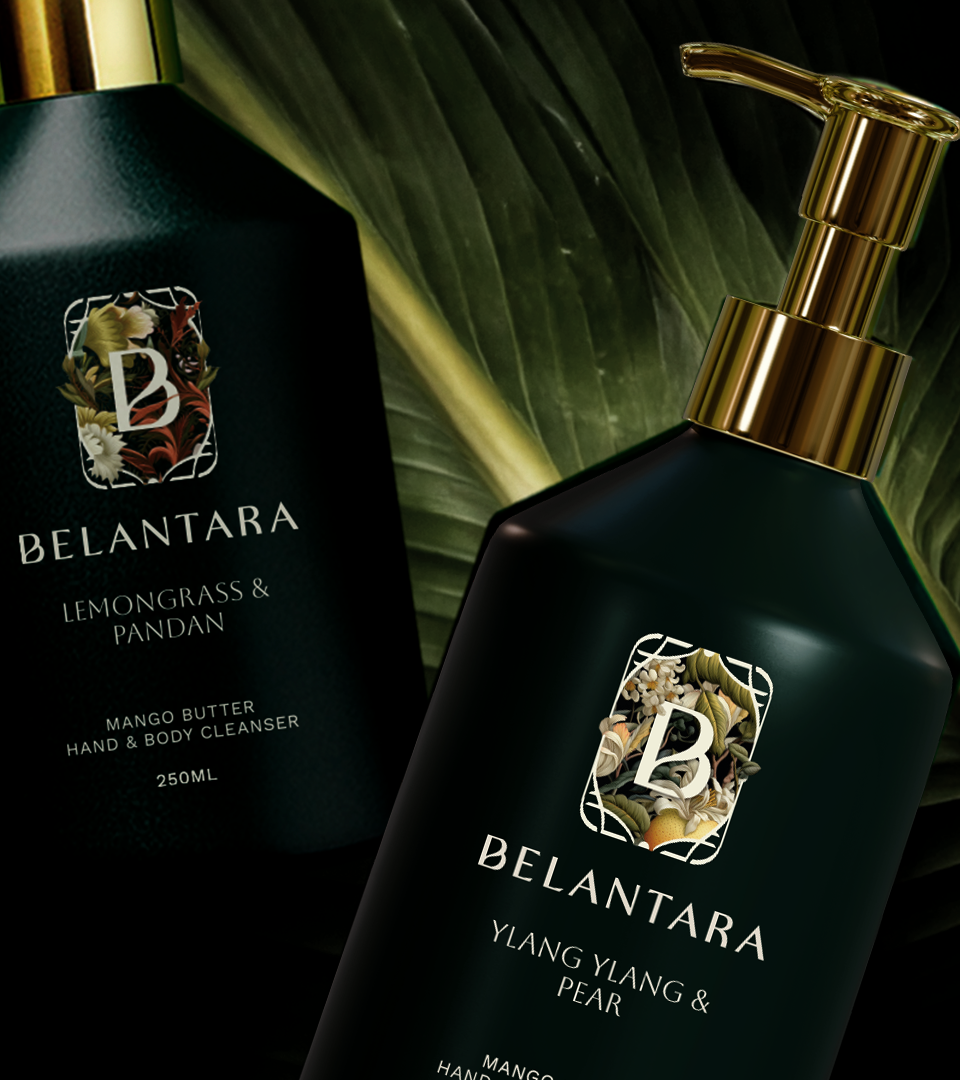
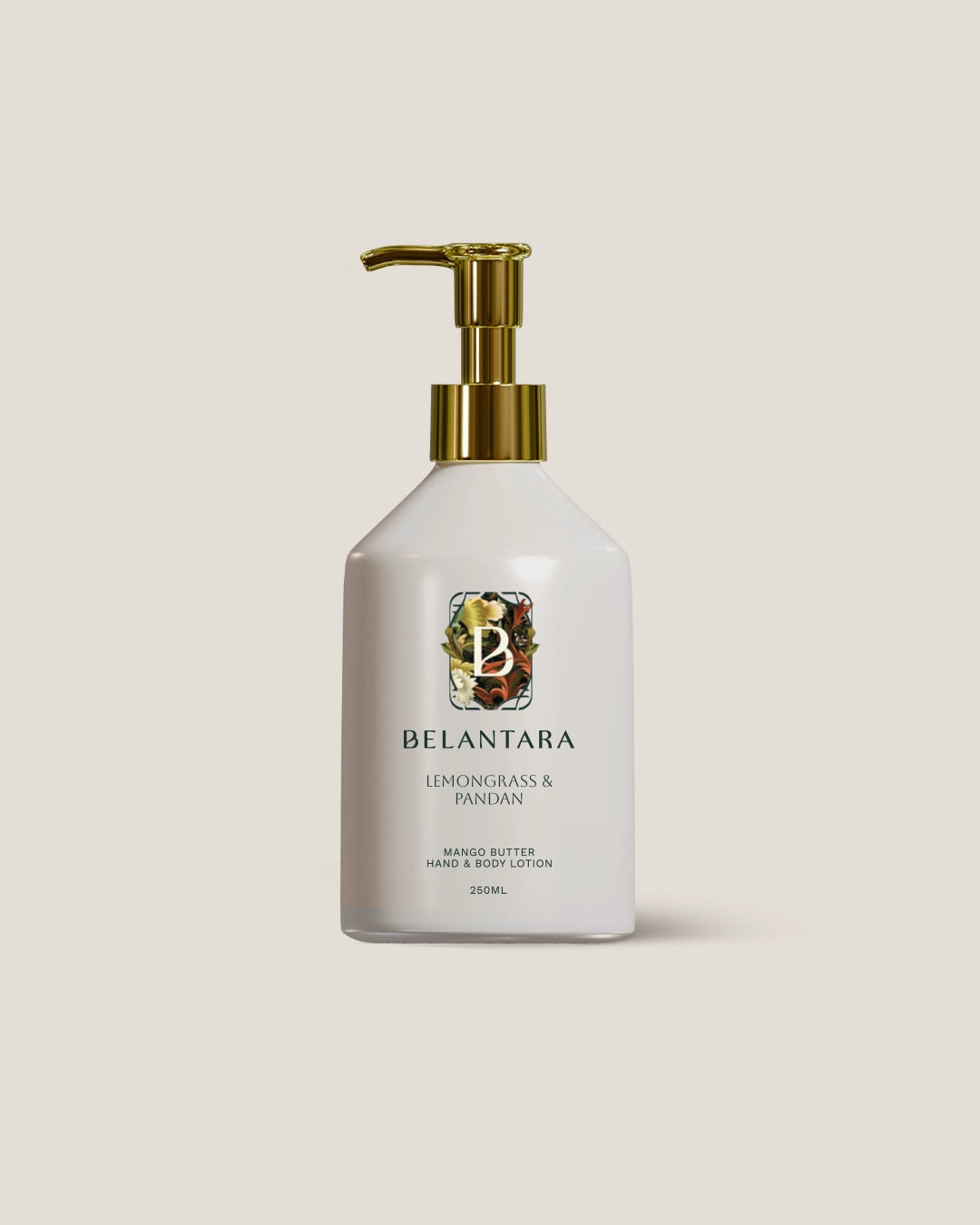
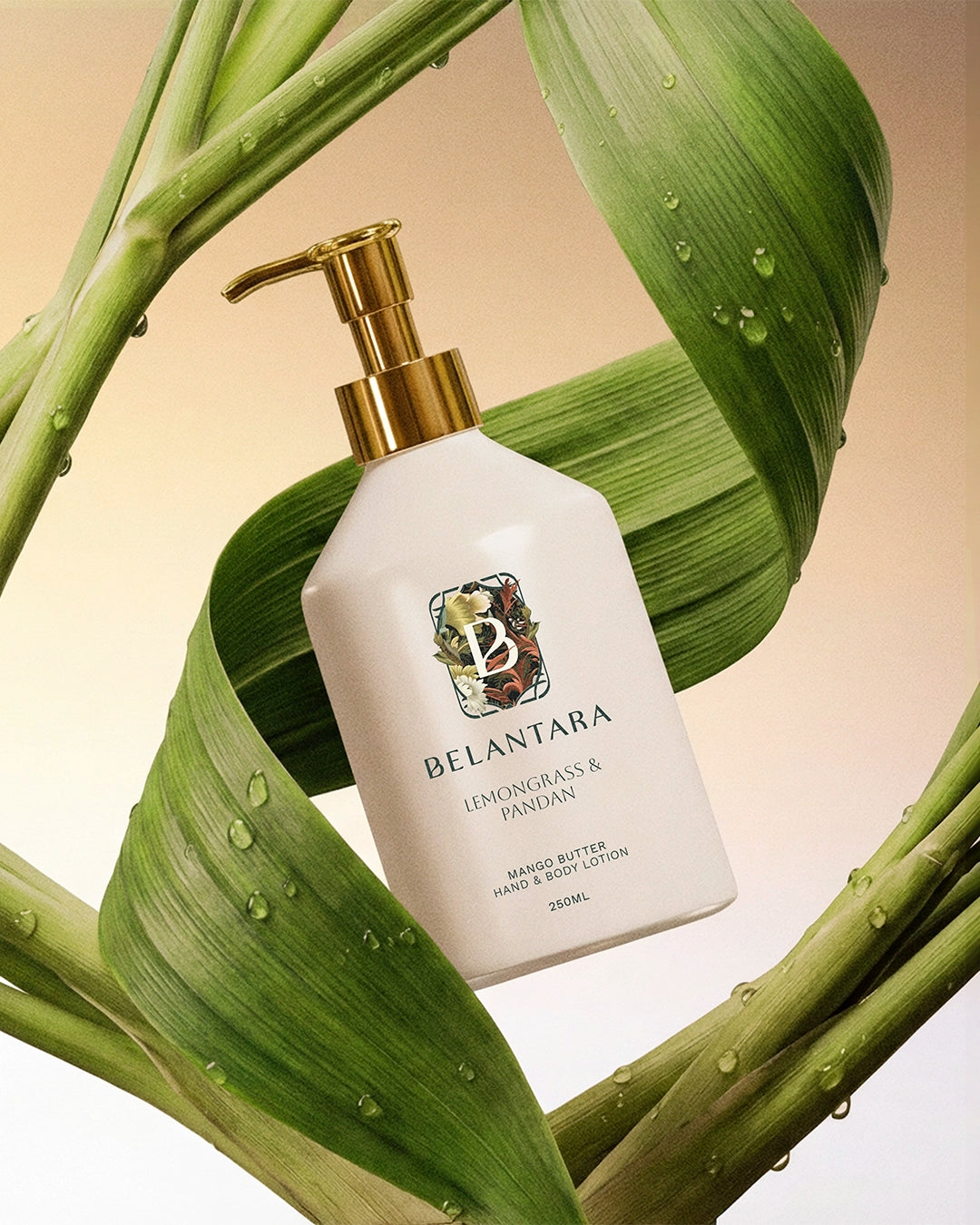
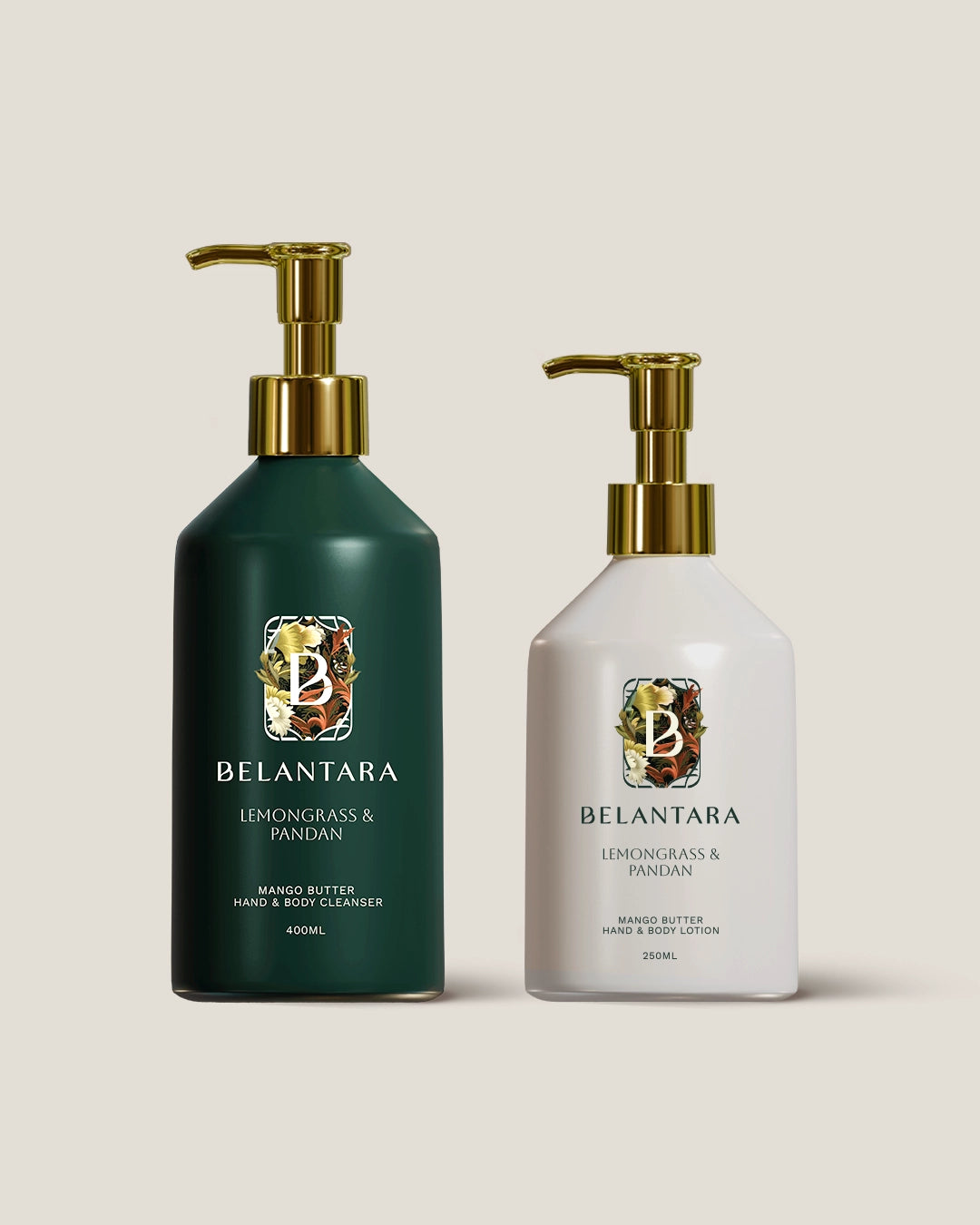
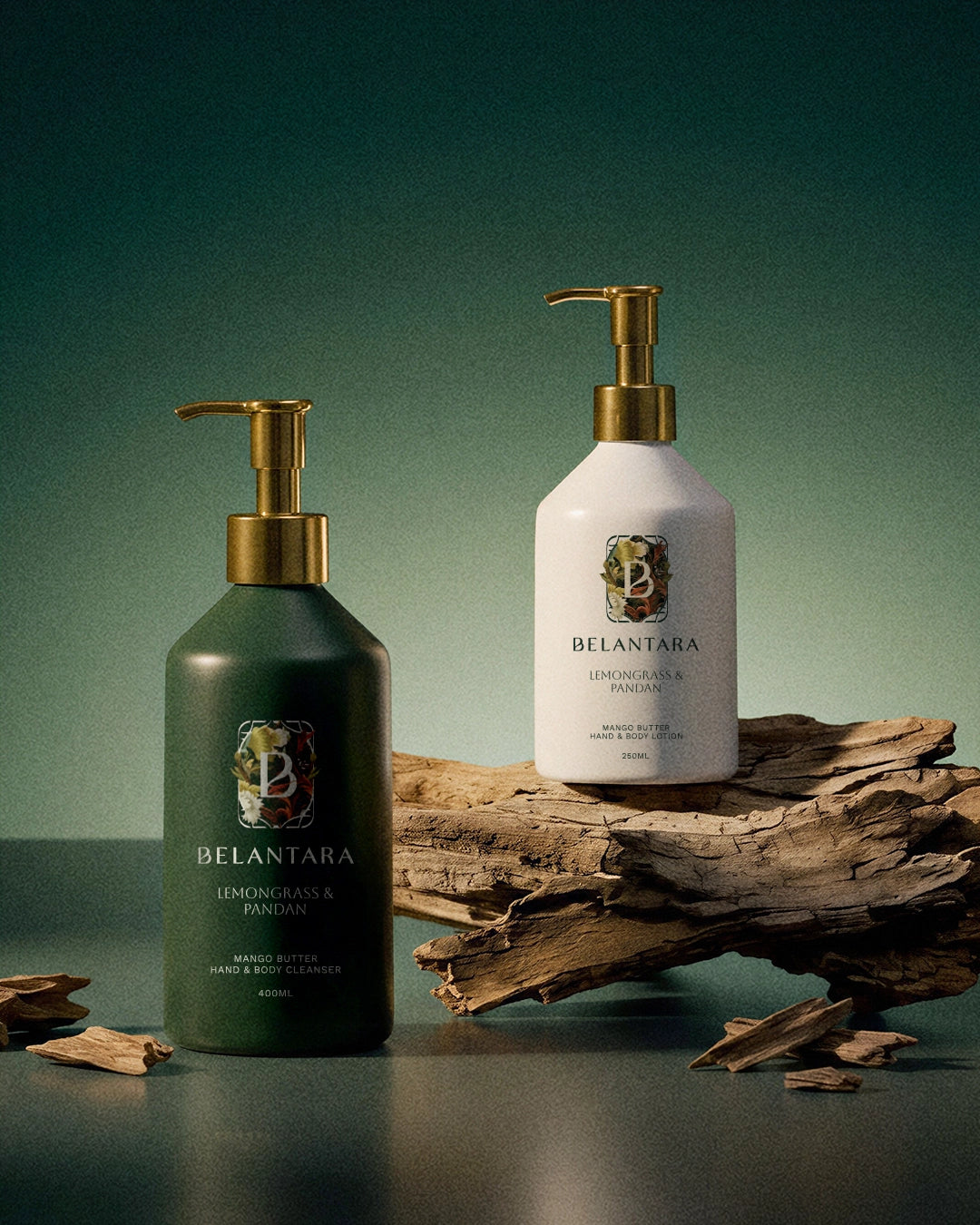
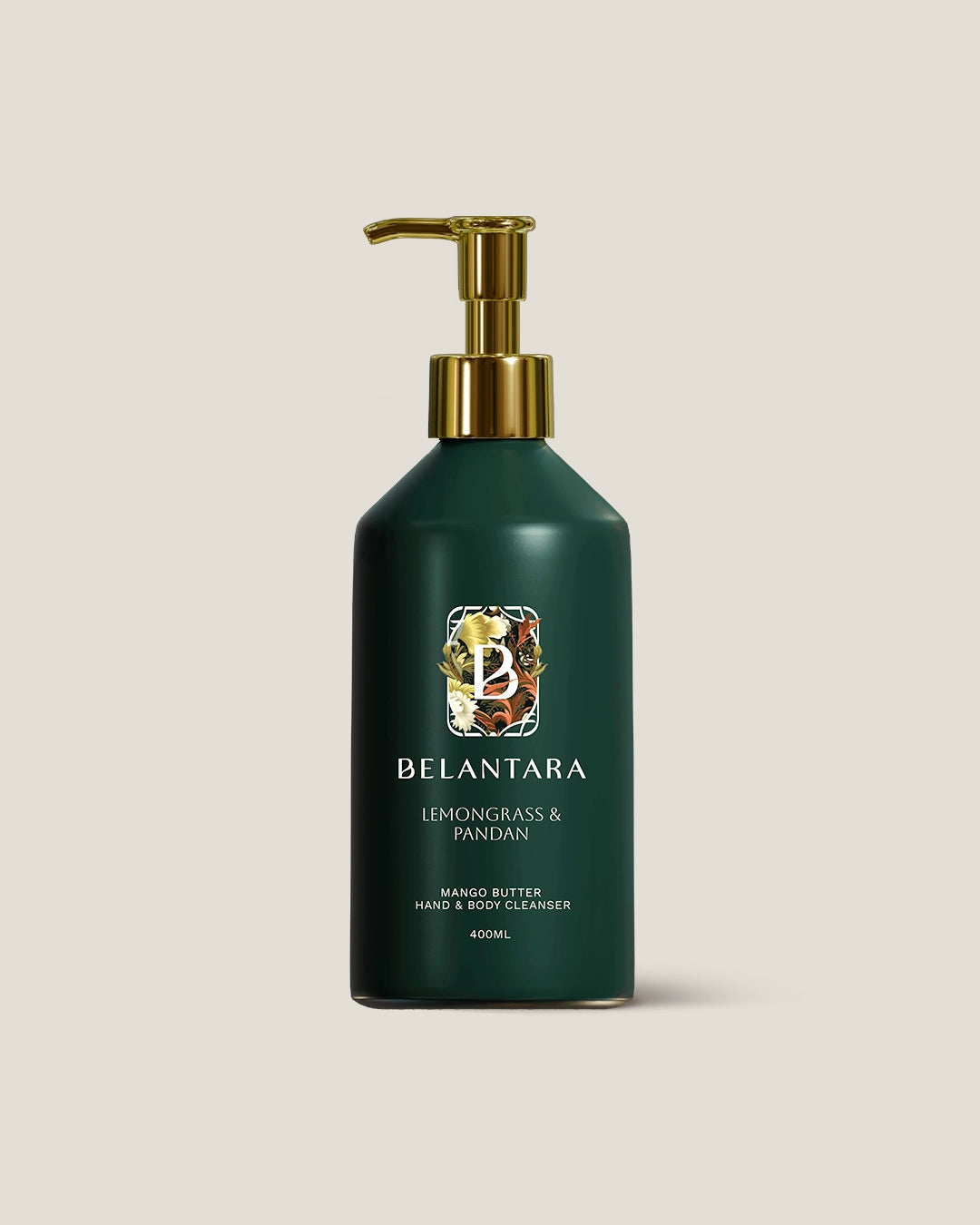
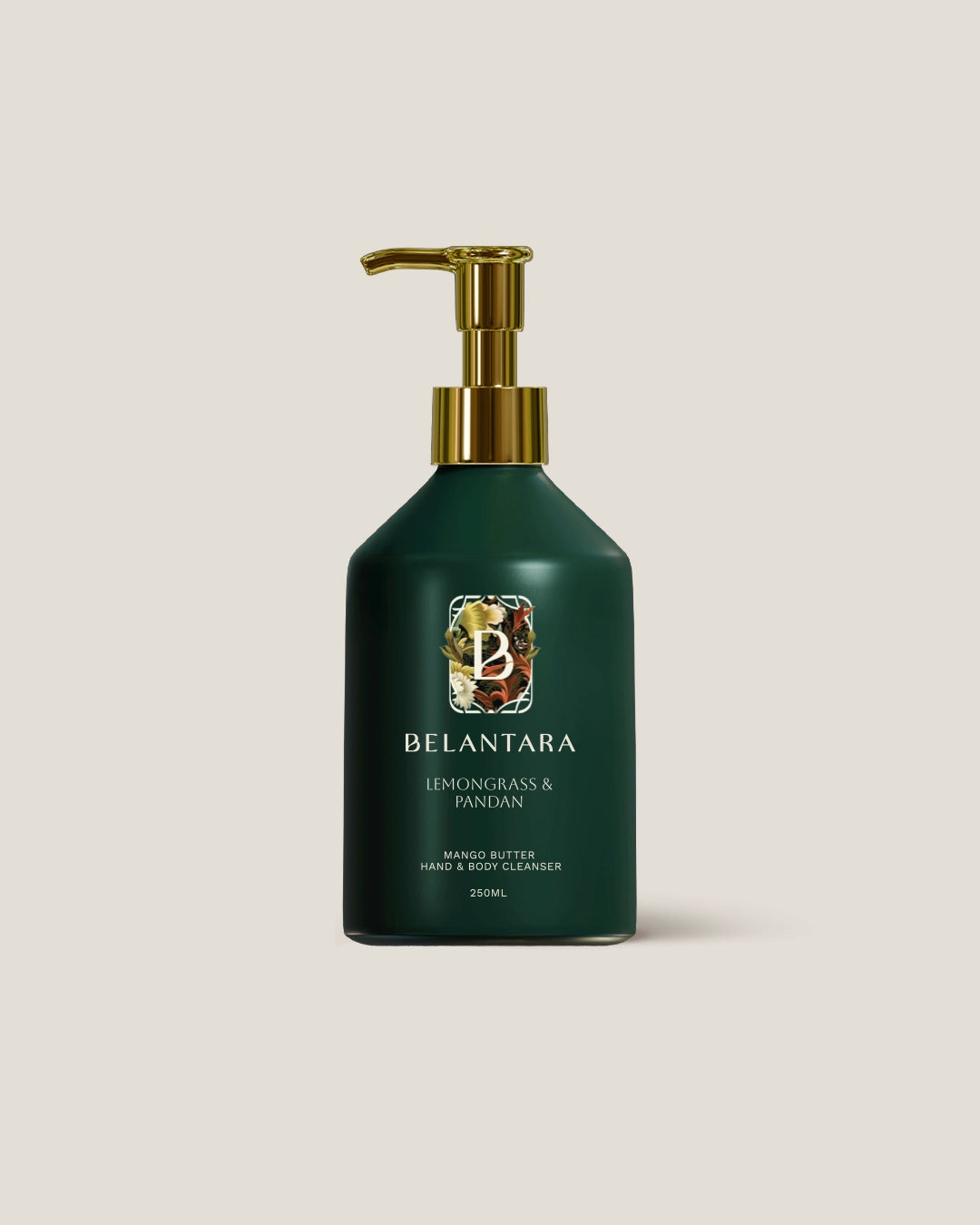
In body care, pandan is rare. Most brands do not use it; most fragrance houses do not work with it. The version in the Lemongrass & Pandan fragrance is crafted to carry pandan’s green-vanilla brightness at its most characteristic — the quality that makes it instantly recognisable in a Southeast Asian kitchen, now on skin.
We pair it with lemongrass because lemongrass is the right counterweight. Lemongrass adds the bright citrus lift that keeps pandan from sitting too sleepy on the skin. The pairing is one Southeast Asian kitchens have known for generations — pandan and lemongrass, together in the broth, together in the marinade, now together on the body.