What "clean" actually means in a body care formulation.
The clean beauty conversation in Hong Kong has been shaped, largely, by the same brands and narratives that shaped it in New York and London: a reaction against specific synthetic ingredients, translated into labelling conventions that vary by brand and are rarely backed by a consistent standard.
Belantara's approach is simpler and less dependent on convention. The formulation excludes what should not be there — sulphates that strip, parabens that accumulate, silicones that occlude, formaldehyde-releasing preservatives, and phthalates that carry known concerns. Not because those exclusions make for a better front-of-pack story, but because building a body care product for tropical skin — skin under real climate stress, used daily over months and years — means making it with things that belong and removing things that do not.
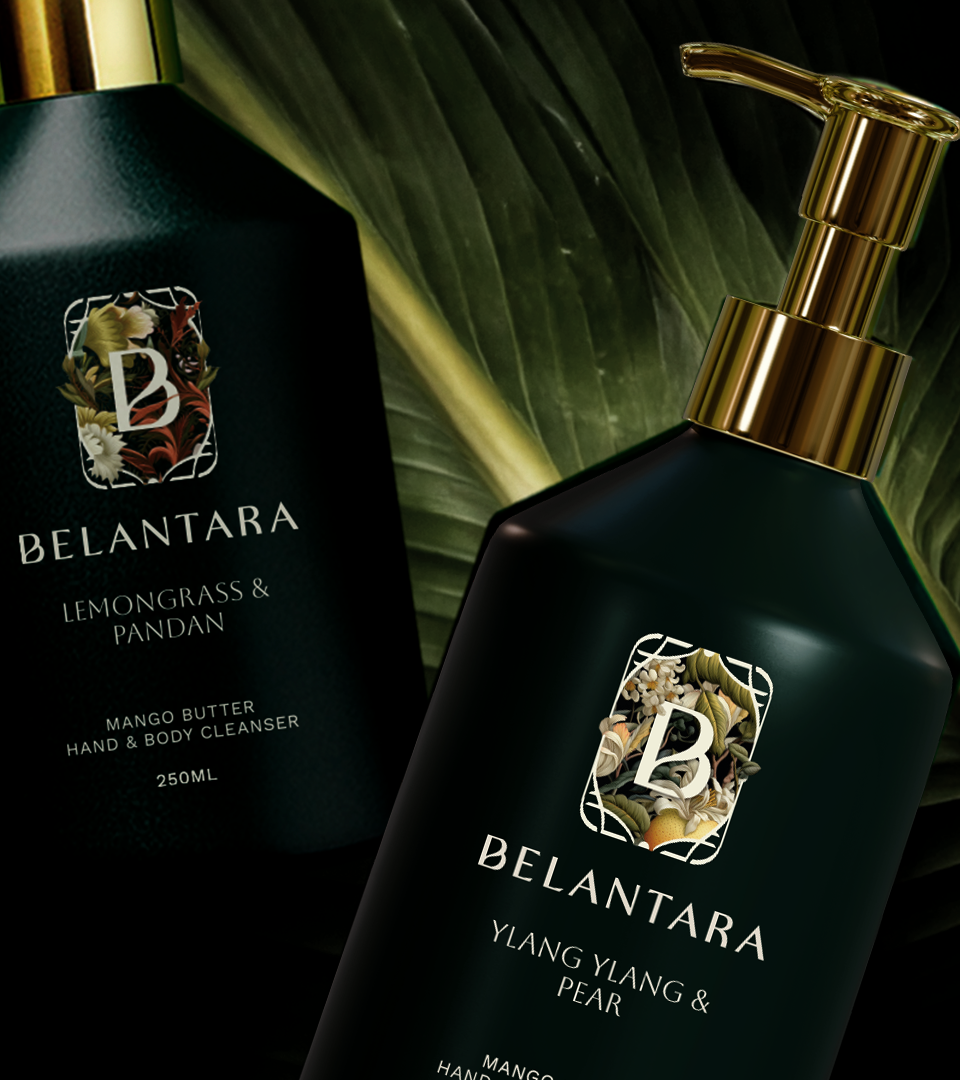
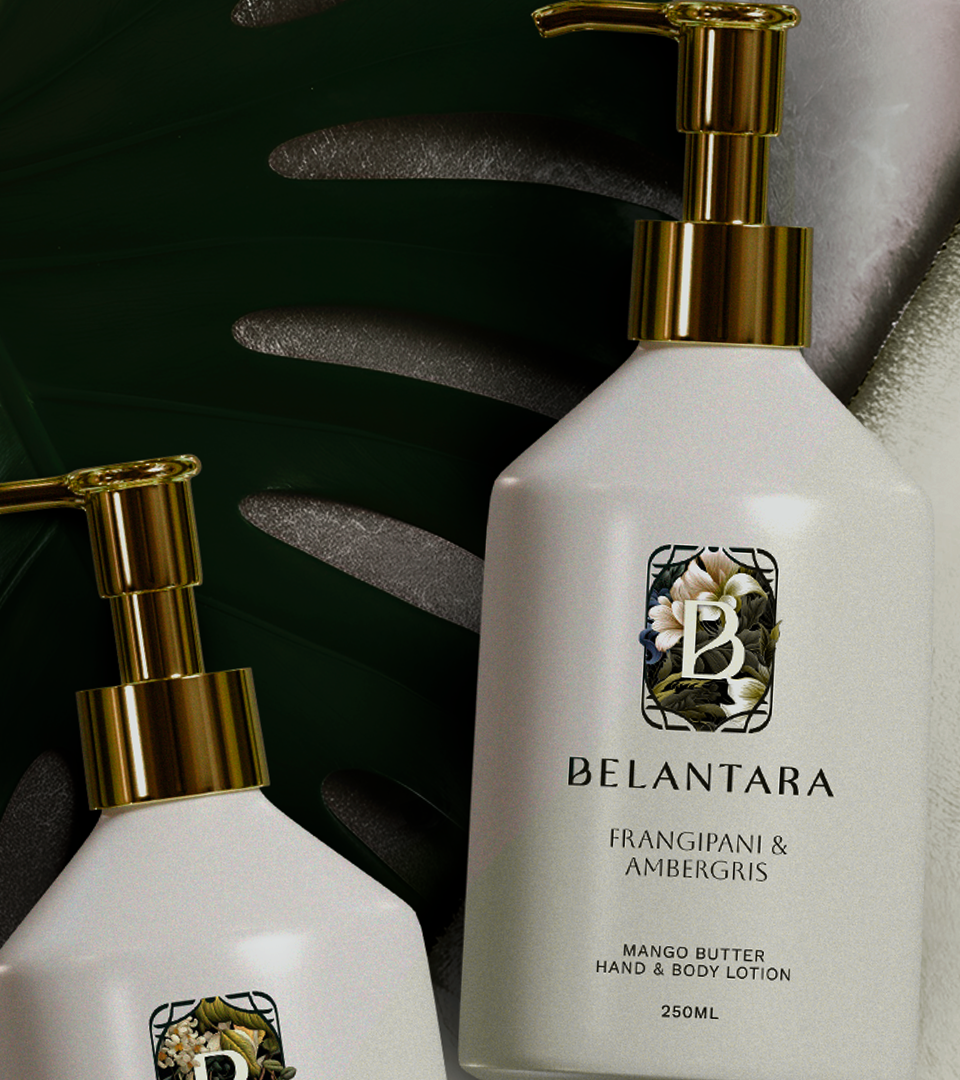
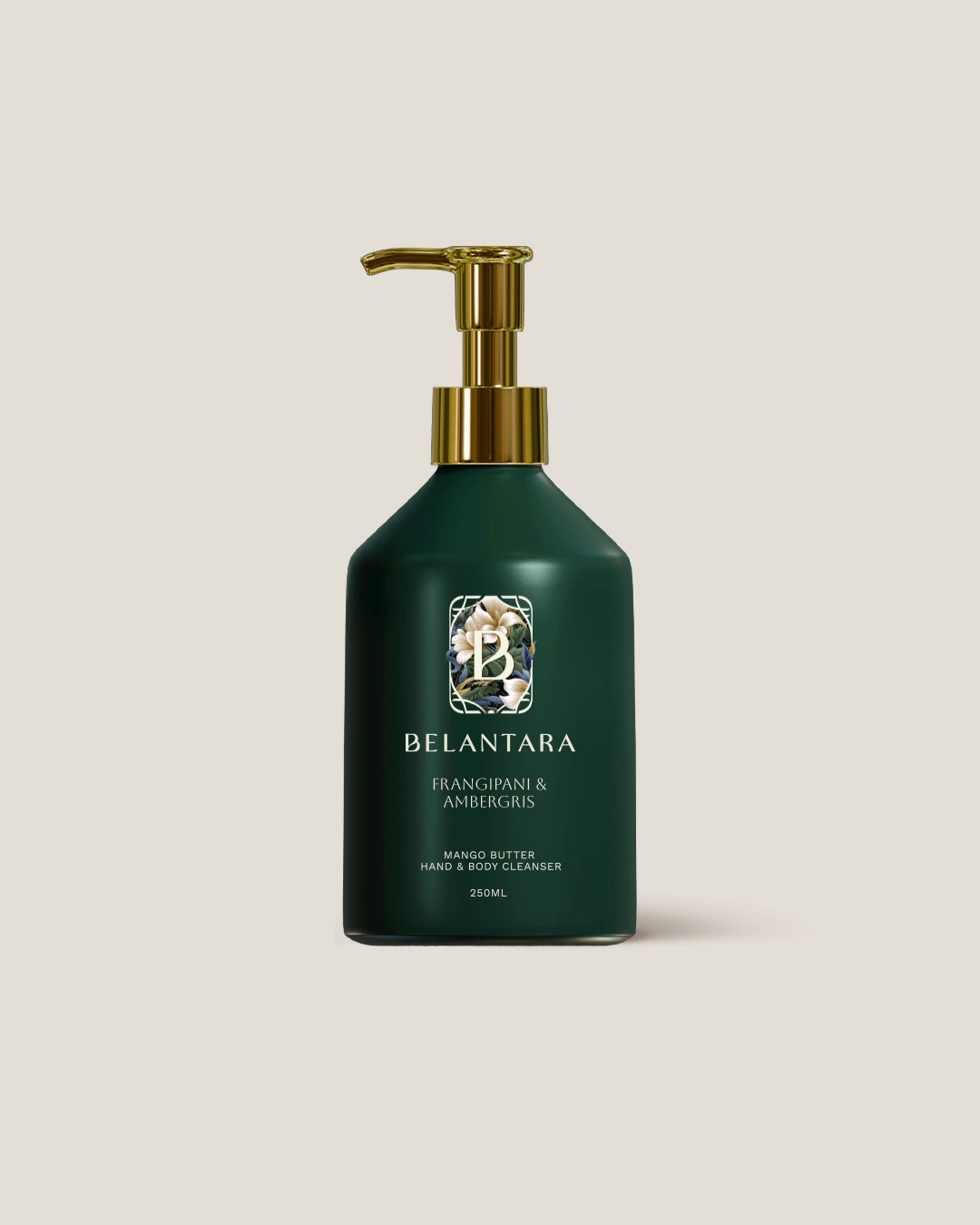
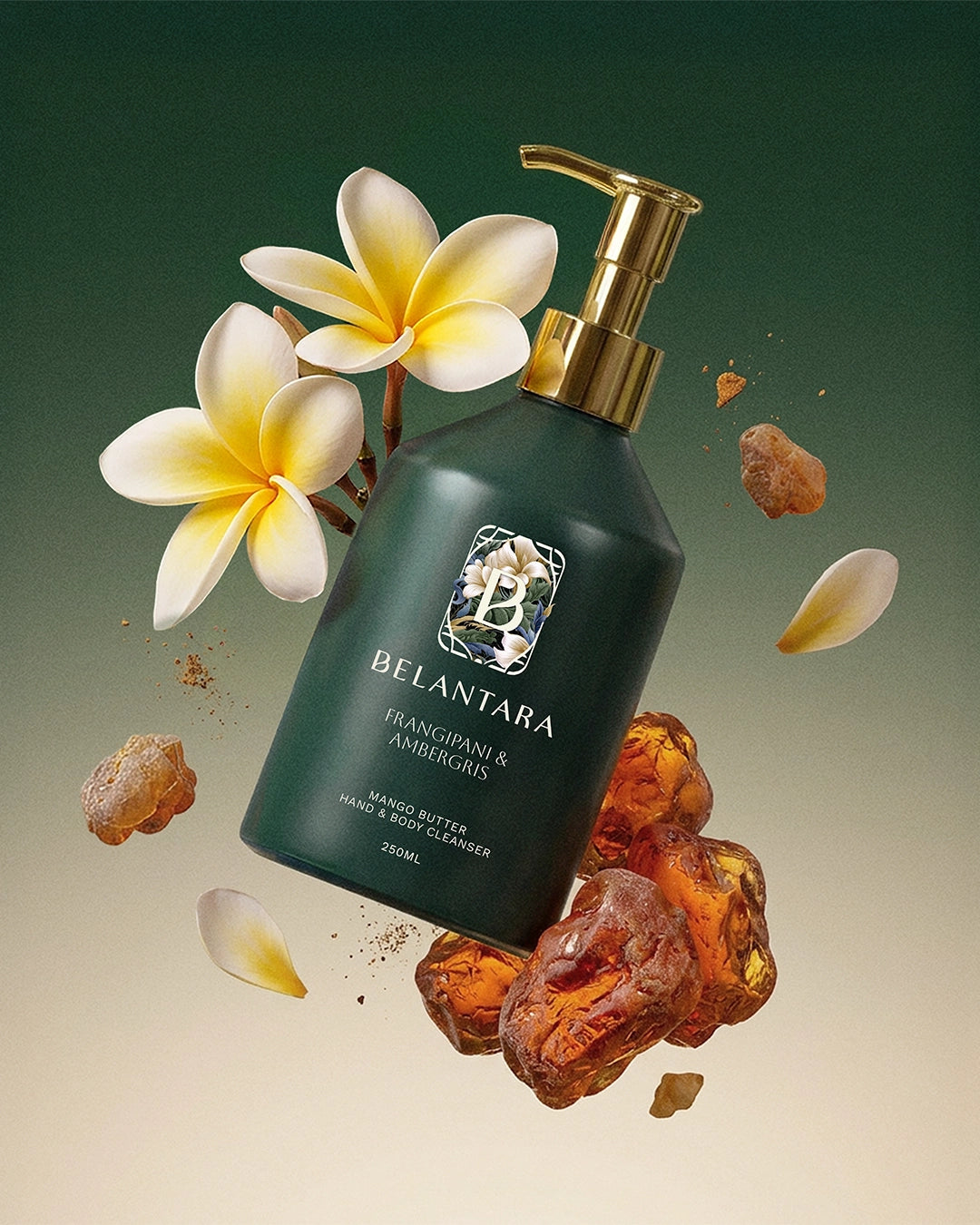
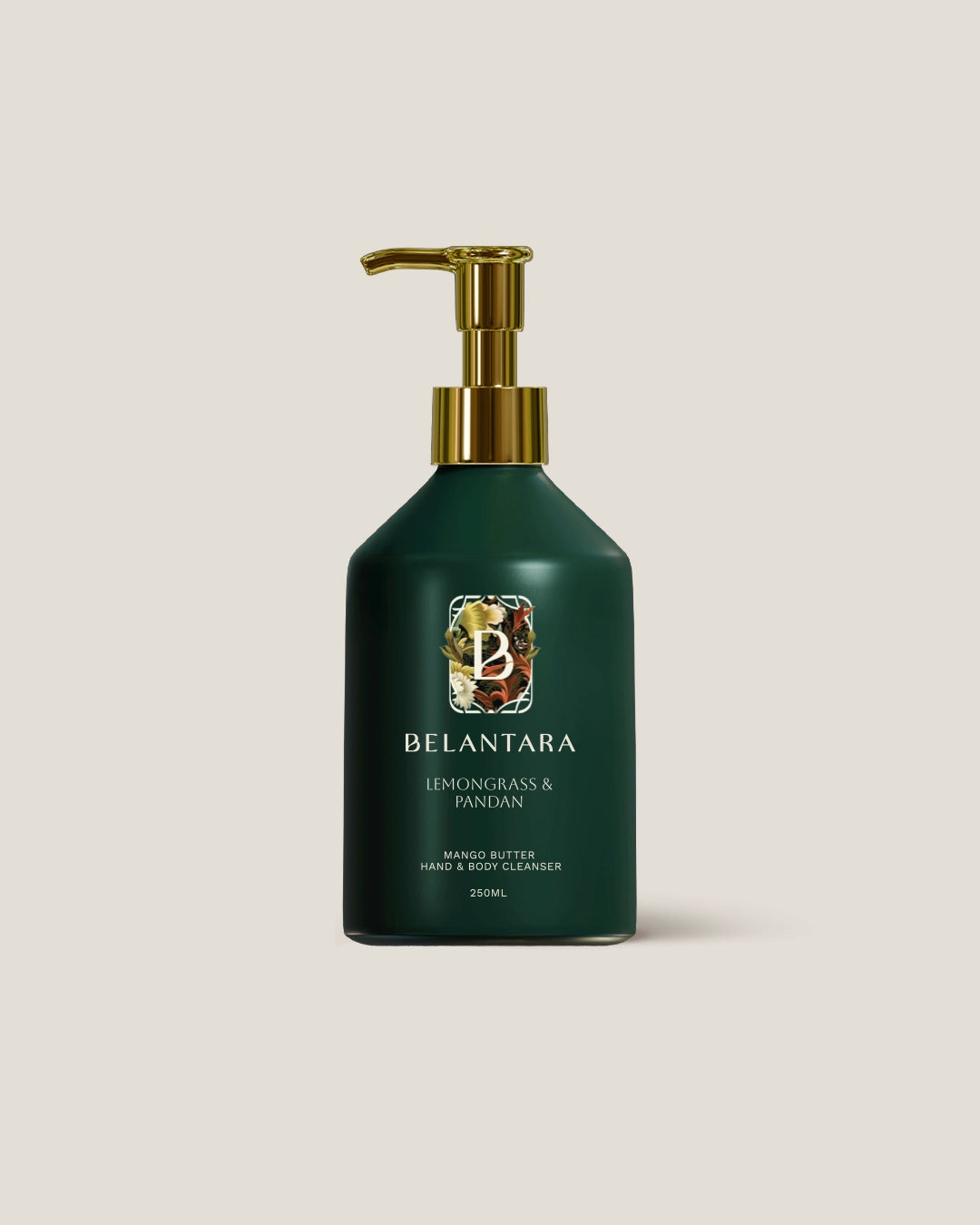
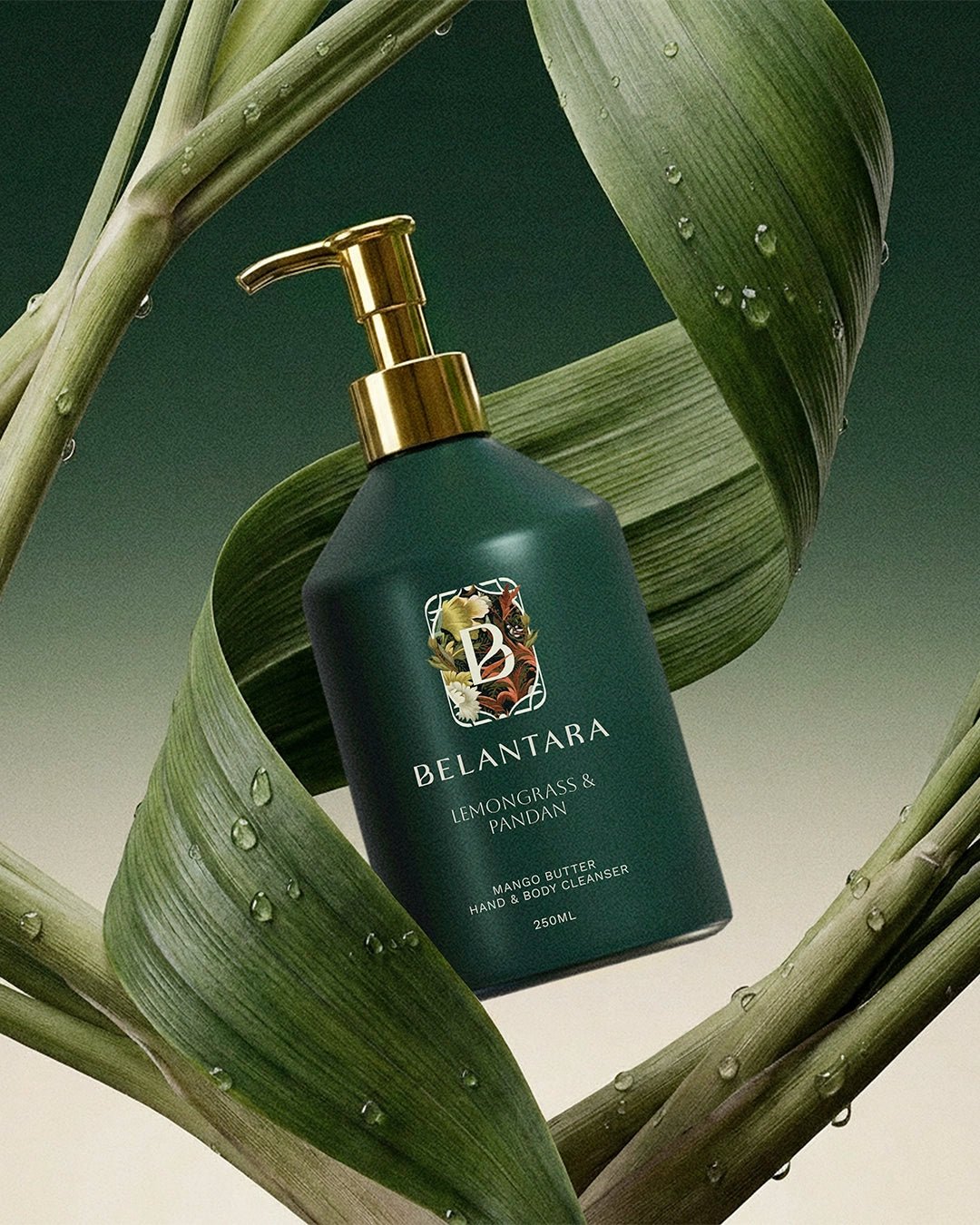
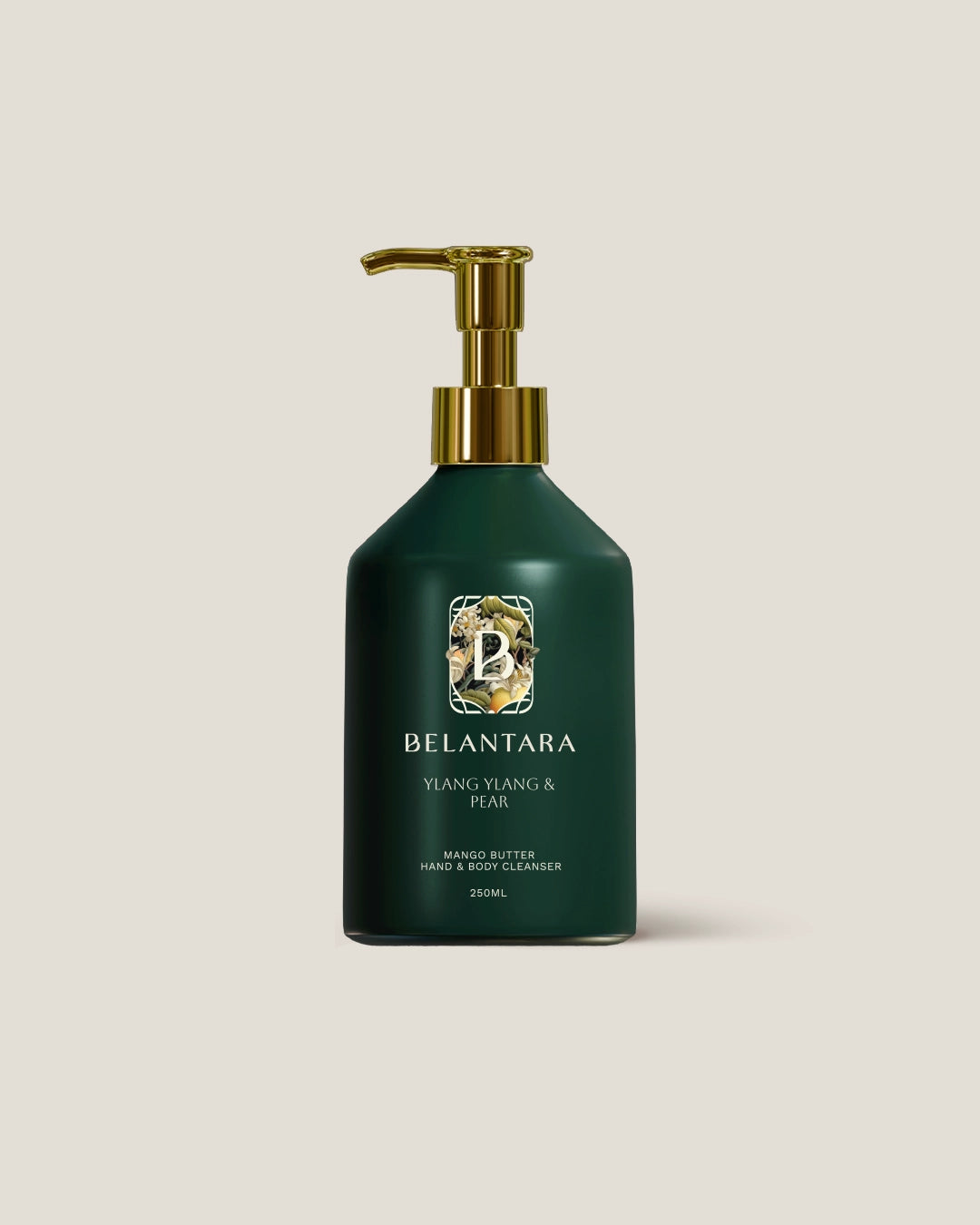
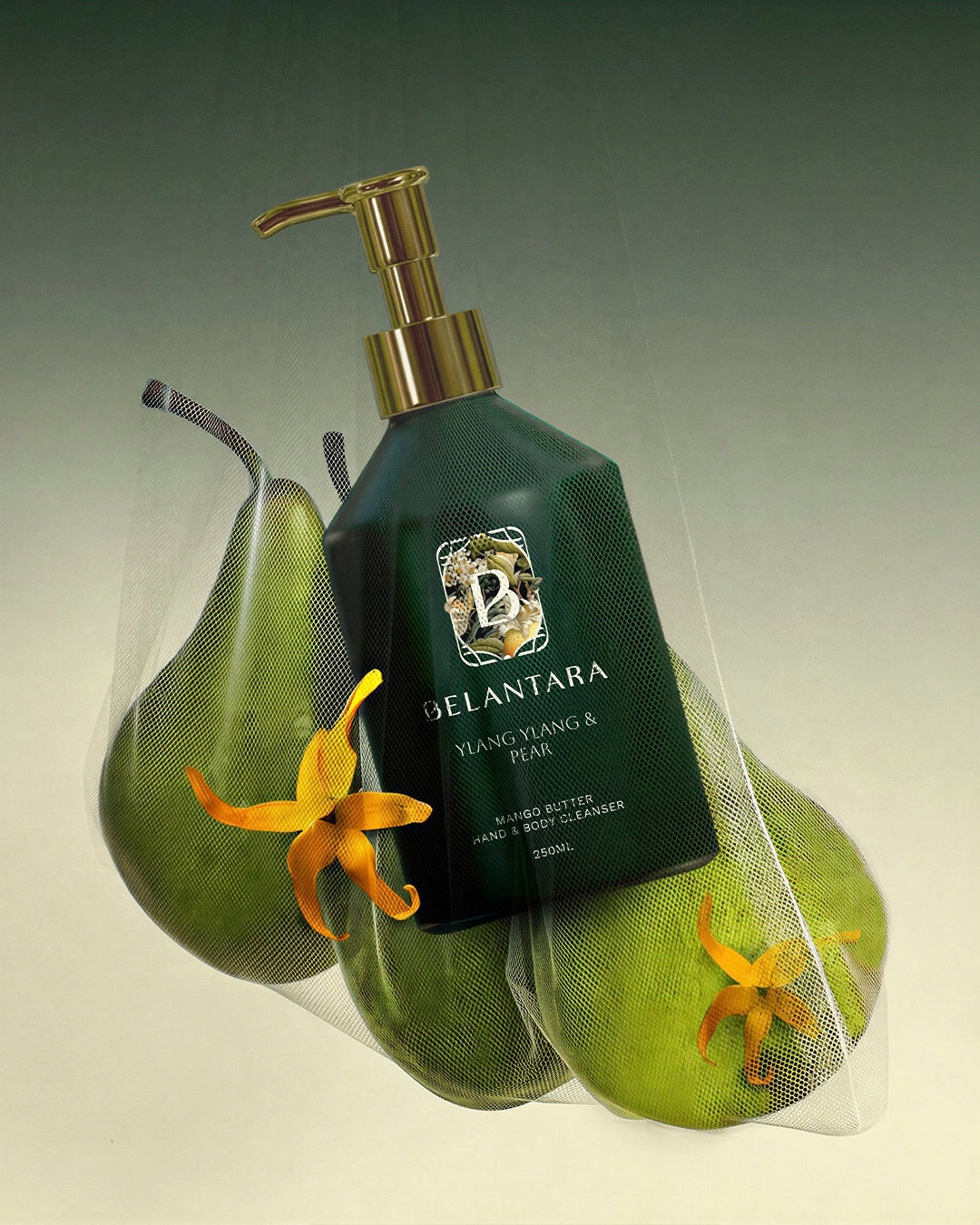
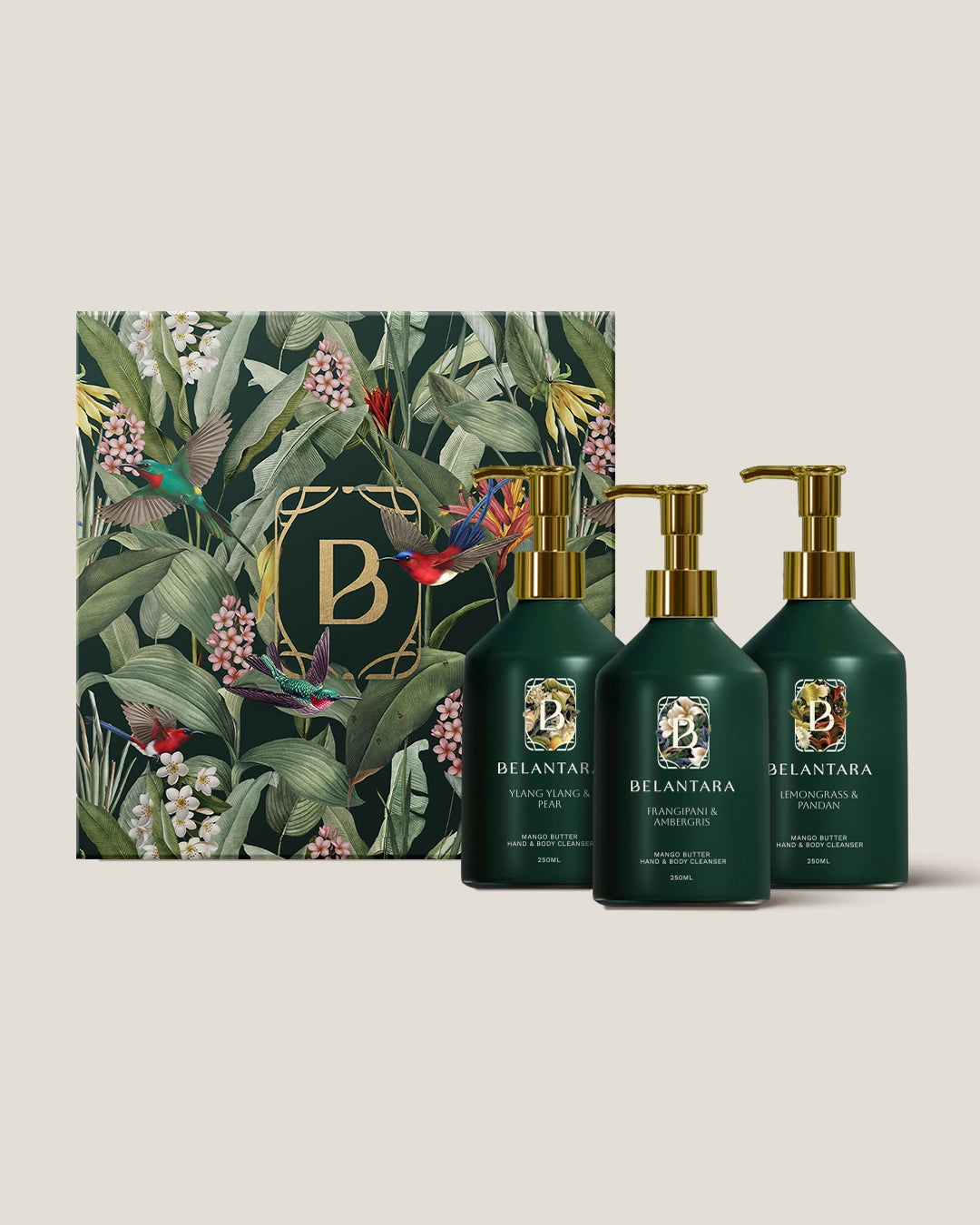
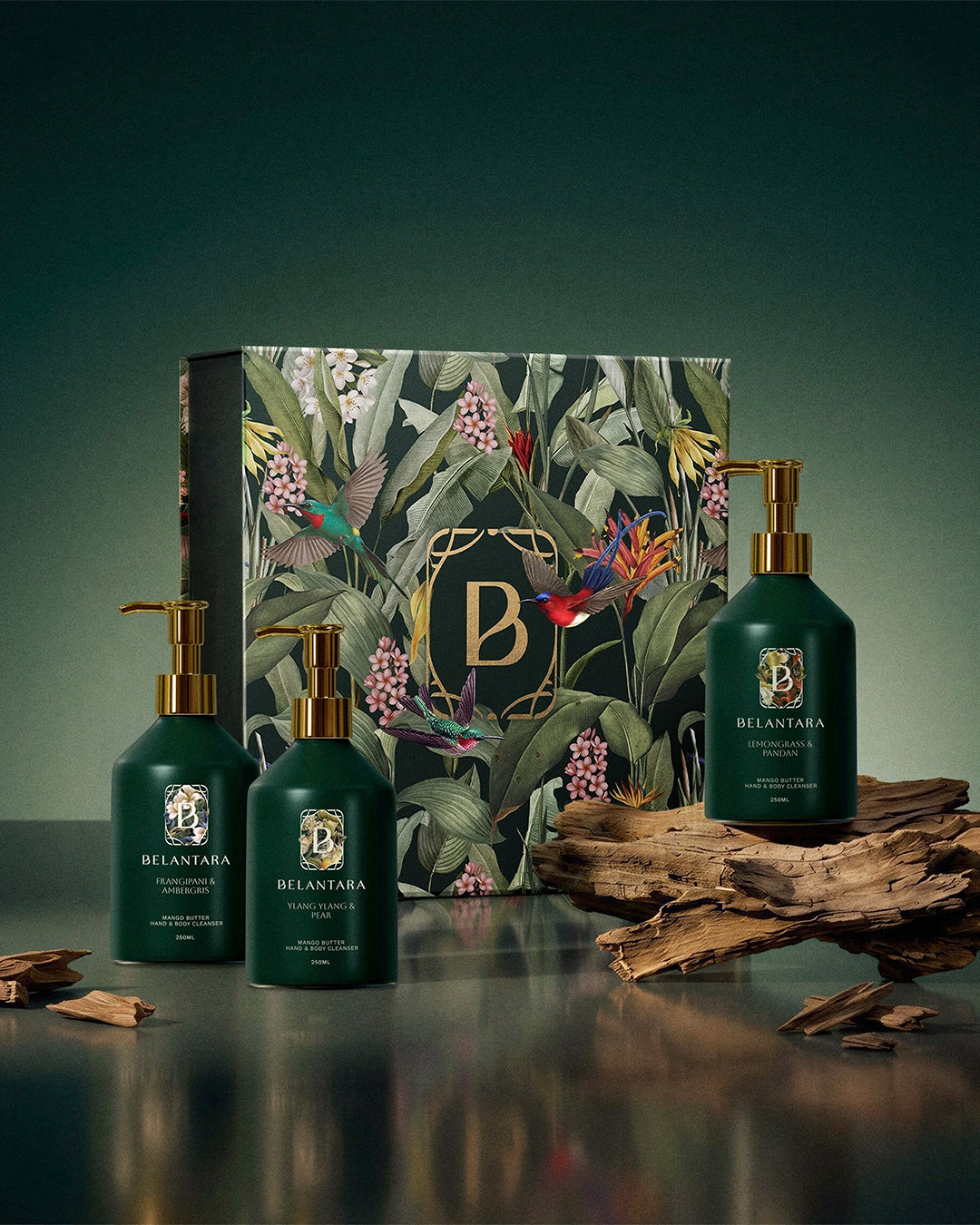
The fragrances are built from ingredients with regional roots: frangipani, ambergris, lemongrass, pandan, ylang ylang, pear. The base is mango butter, native to tropical Asia. The formulation is manufactured in Singapore under the Health Sciences Authority's cosmetics GMP requirements — the same regulatory standard that governs the most carefully made products in the region. For the fuller picture of what this brings to Hong Kong specifically, see Belantara body care, delivered to Hong Kong.
This is what clean body care looks like when the constraint is doing it properly, not labelling it attractively.