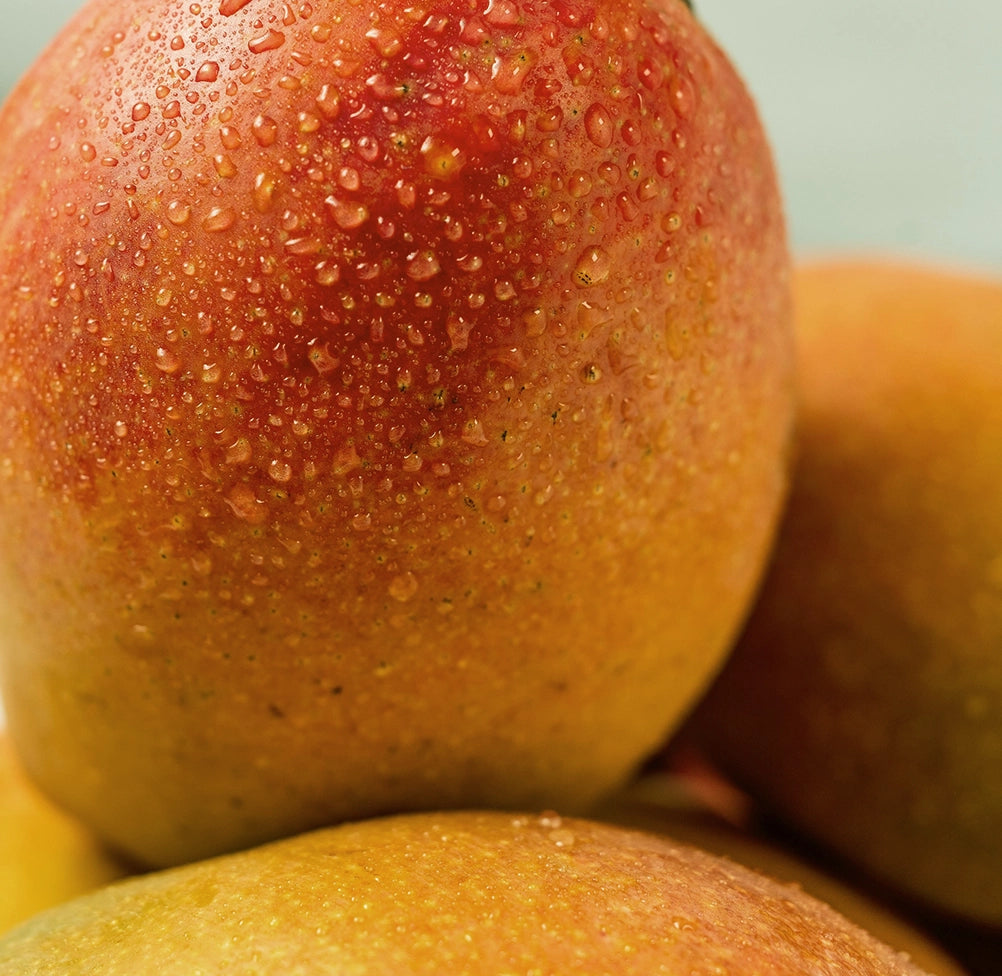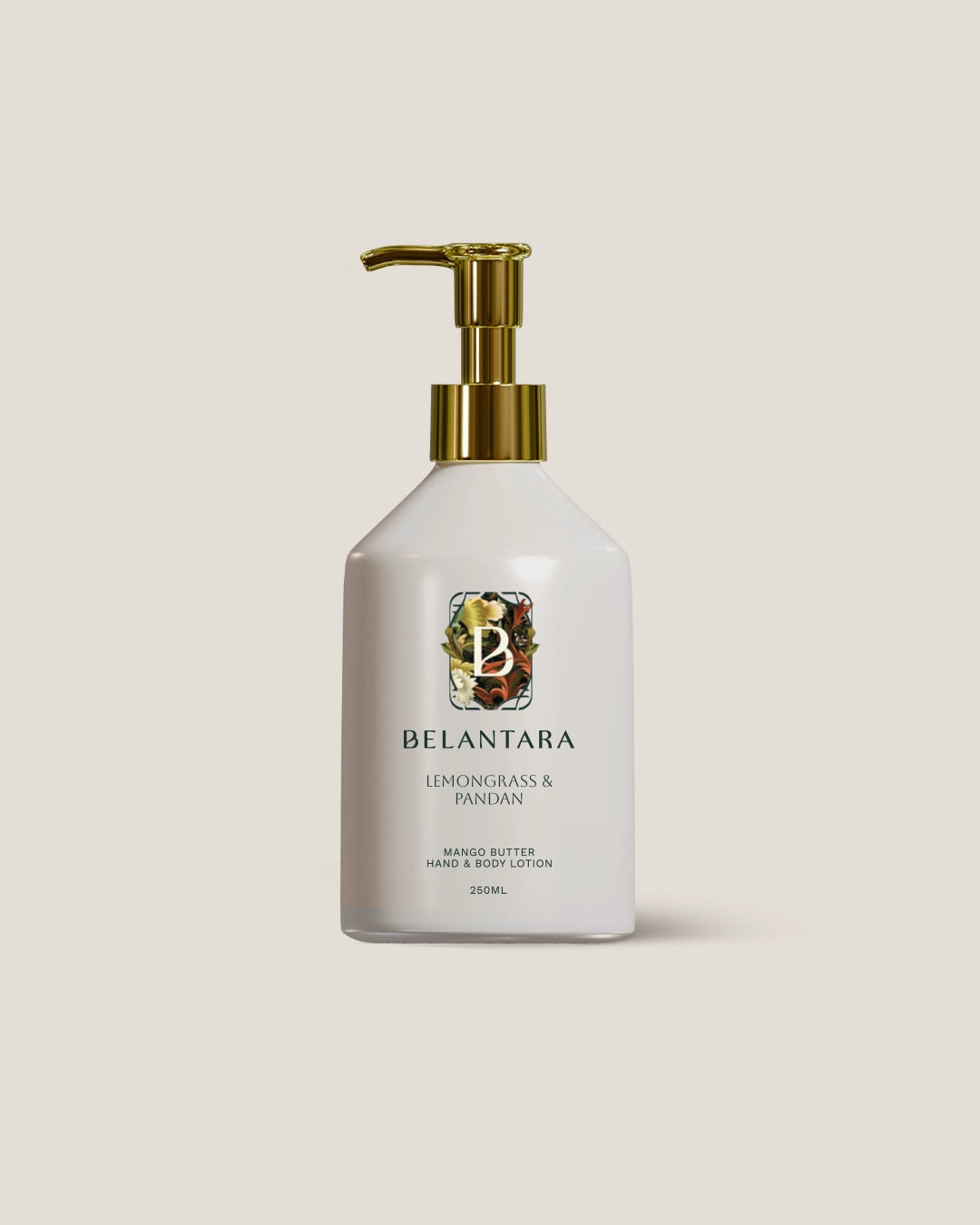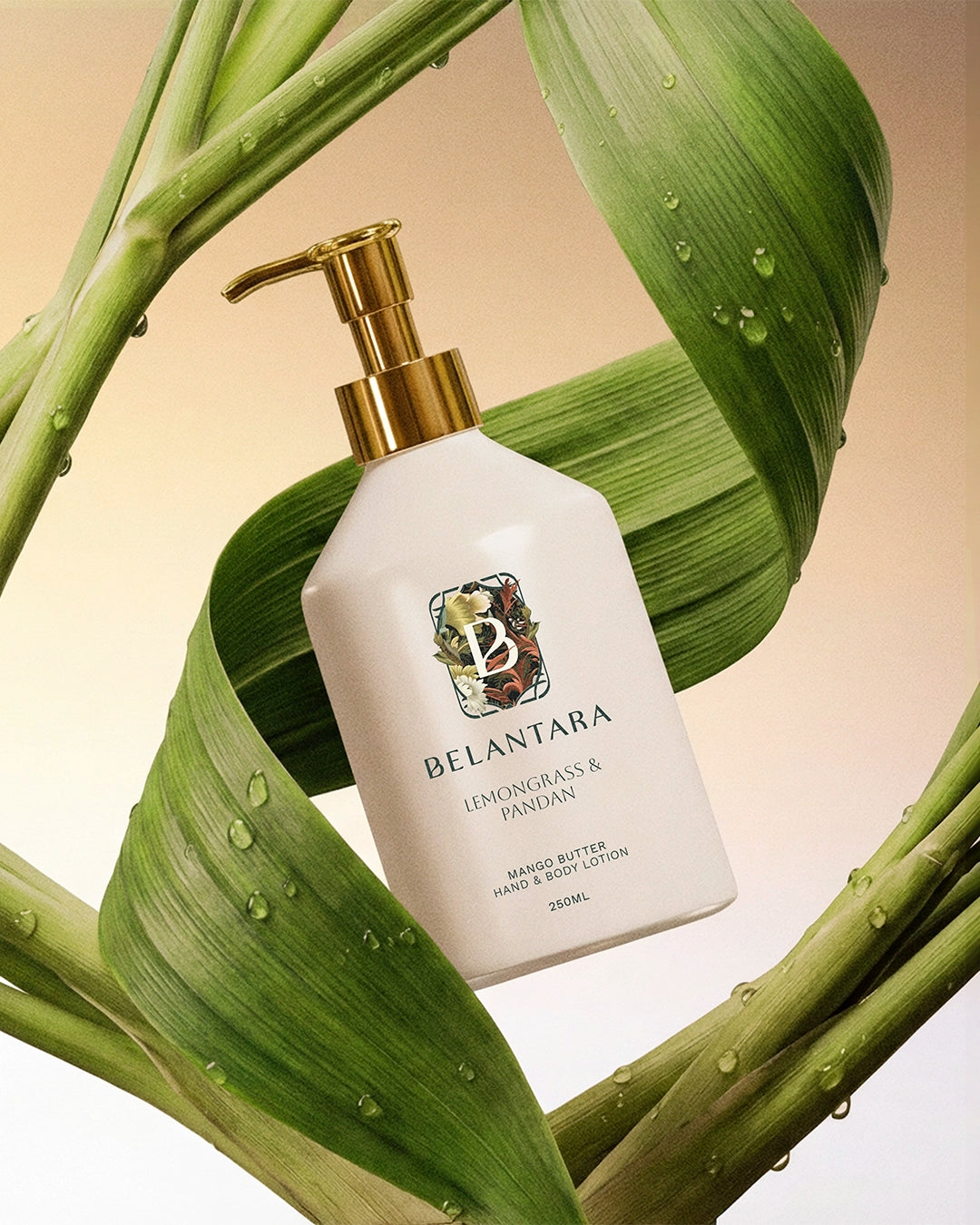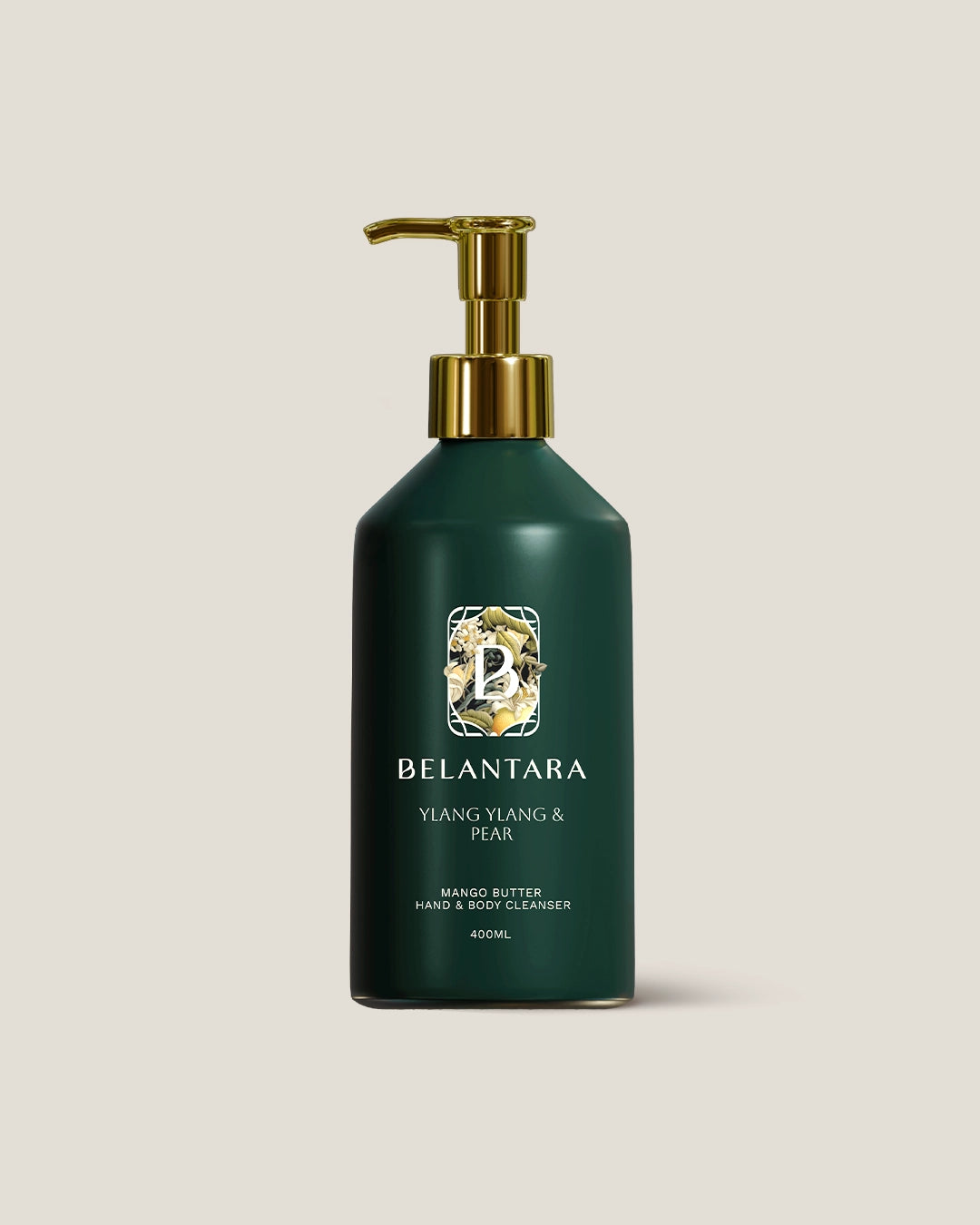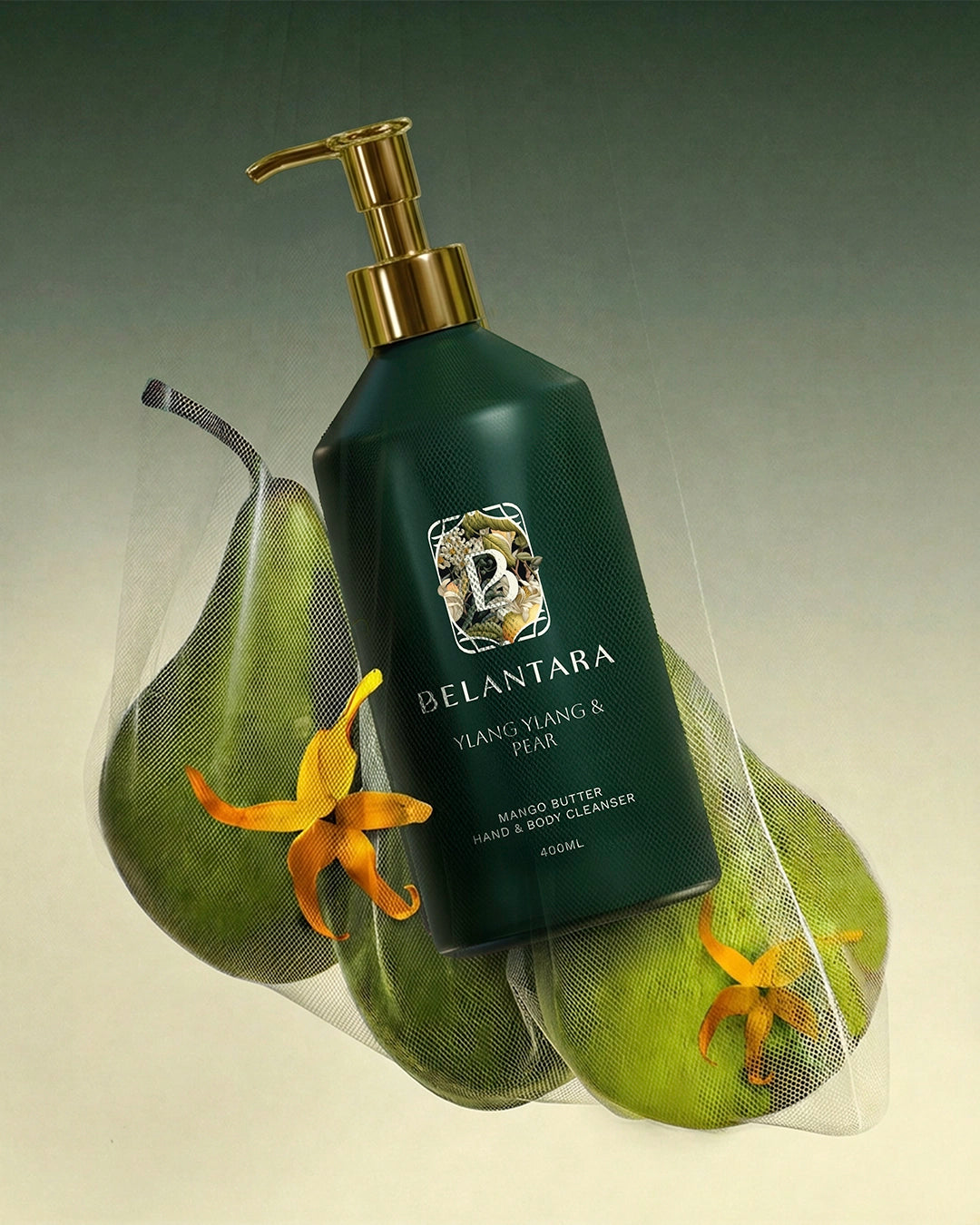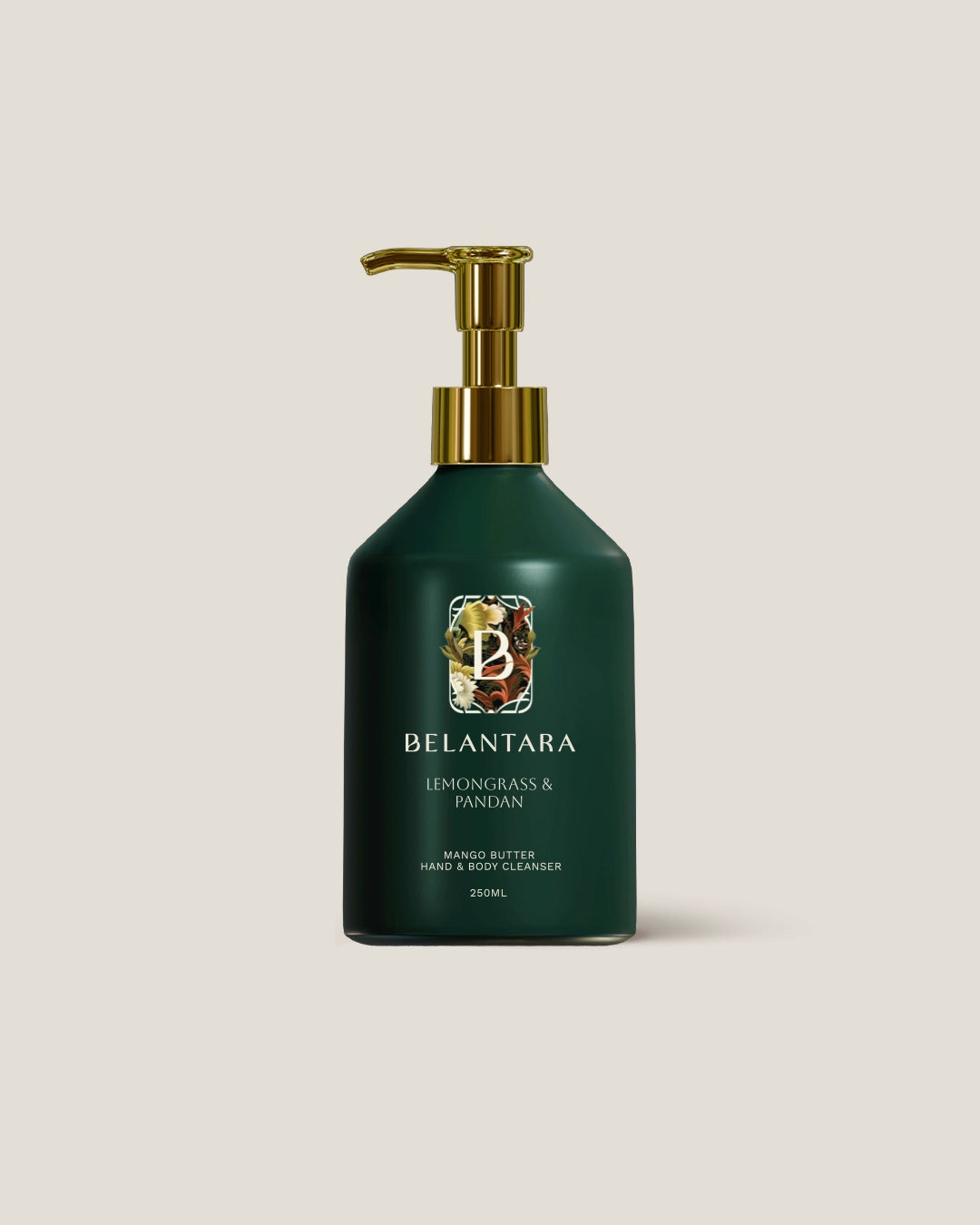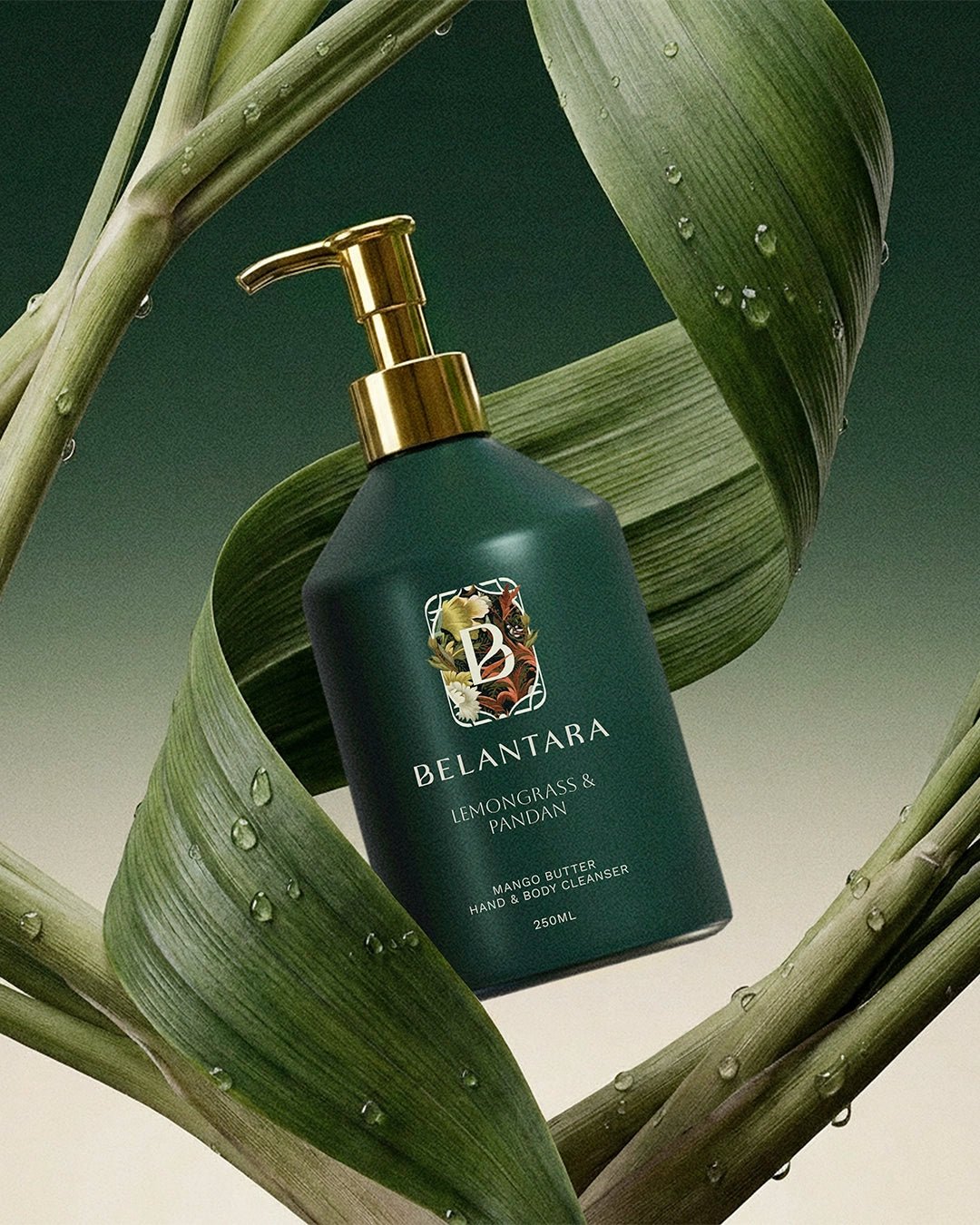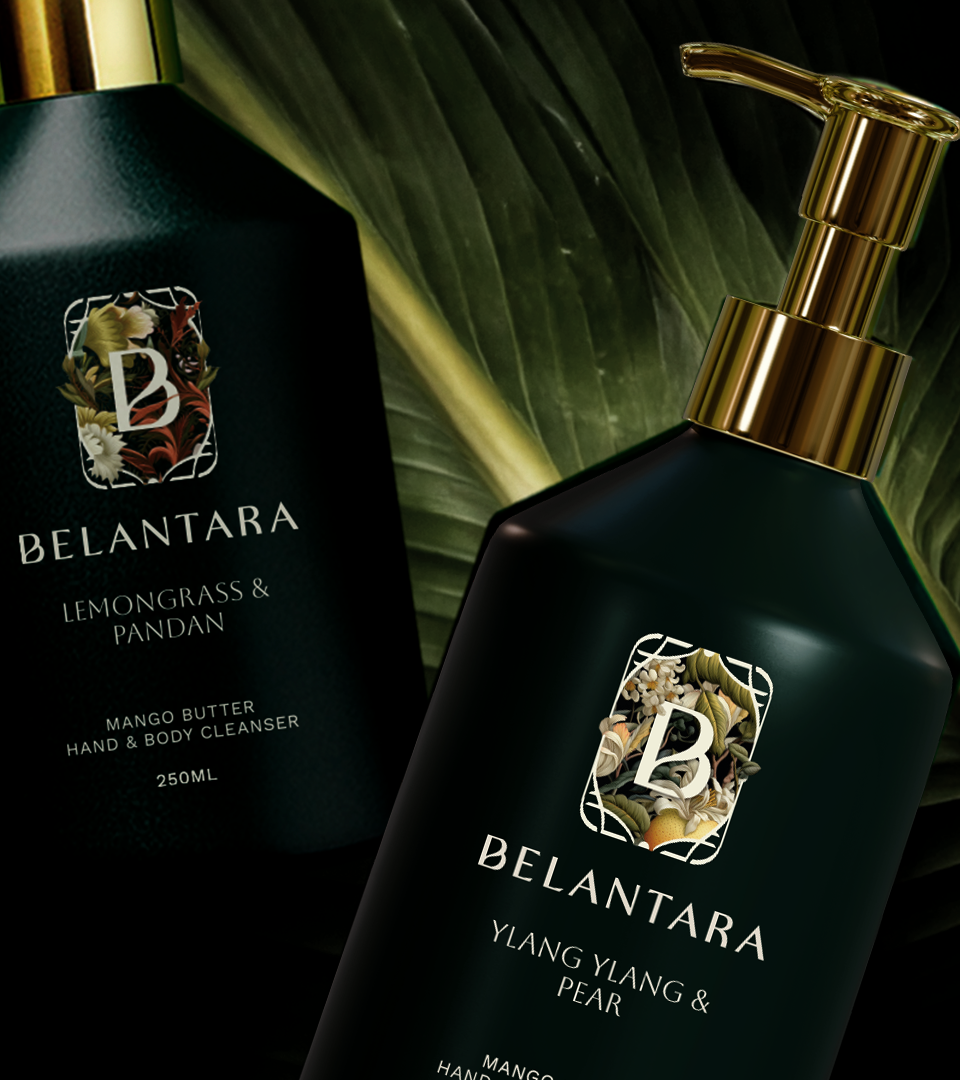
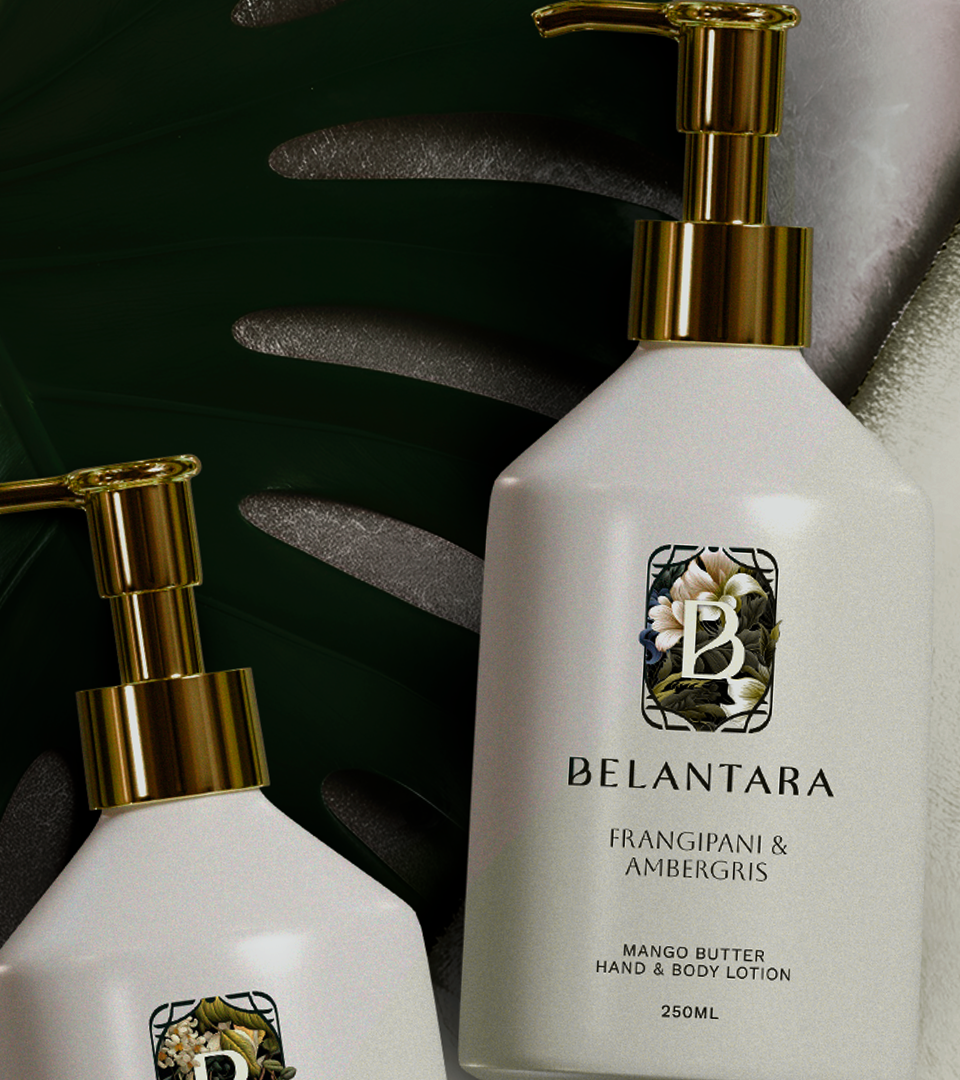
Mango butter is a natural fat — soft solid at room temperature, melting at skin temperature. It is pressed from the kernel inside the mango seed, which sits at the centre of the fruit. The kernel itself is rarely consumed; in most parts of the world it is composted or discarded outright. In Southeast Asia, where the mango grows abundantly, that quiet generosity is the point. The fruit is eaten. The seed becomes butter. Nothing is wasted.
The extraction is unhurried. The kernels are cleaned, dried, and cold-pressed — pressure replaces heat — to release the lipid in its richest form. What remains is a pale, ivory-coloured butter with the faint, warm scent of the fruit it came from. No solvent. No chemistry. The seed gives up the butter on its own.
Compositionally, mango butter is unusually well-matched to skin. Its fatty acid profile — oleic, stearic, palmitic — is close to the skin's own. It carries vitamins A and E, both of which the body recognises. It is one of the few plant butters that nourishes deeply without sitting heavily on the surface, which is why it has earned its place in serious body care formulation rather than novelty positioning.
We chose it because it is the quiet answer to a question Singapore skin asks every day. Air conditioning draws moisture out. Chlorinated water strips it. The afternoon sun does its slow, cumulative work. Mango butter, warmed into a luxury body care base, holds the line.